 English
 русский
Industry News

How Do Aluminum Castings Contribute to Diaphragm Pump Versatility?
2026-01-30
Mold manufacturing is a critical process in producing aluminum castings, which are key components in diaphragm pump construction. The precision and quality of the molds directly impact the overall performance and versatility of diaphragm pumps. Aluminum castings, produced through a careful mold manufacturing process, provide diaphragm pumps with durability, lightweight properties, and excellent corrosion resistance. This makes them suitable for handling a wide range of fluids in various applications, from agricultural spraying to chemical processing.
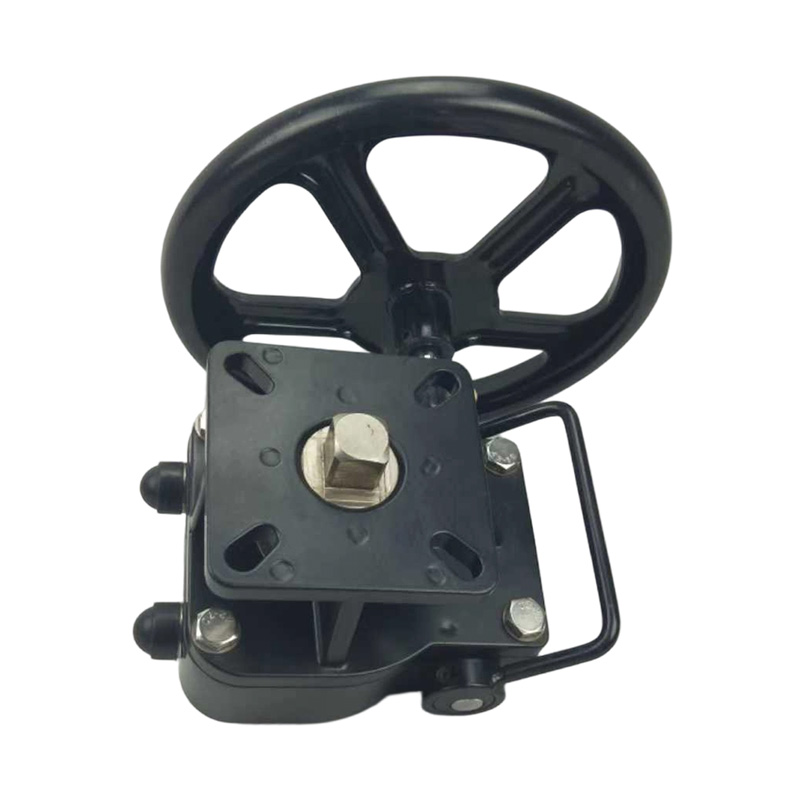
The Role of Aluminum Castings in Diaphragm Pump Design
Aluminum castings are vital in shaping diaphragm pumps, allowing manufacturers to create complex, yet robust pump components. The aluminum alloy used in diaphragm pump castings is not only lightweight but also boasts a high strength-to-weight ratio, making it an ideal material for this application.
Through the casting process, manufacturers can achieve precise dimensional control, which ensures that the pump components are well-fitting and tightly sealed. This precision is critical in ensuring that diaphragm pumps operate effectively, providing consistent performance throughout their lifecycle. Aluminum's lightness, combined with its structural strength, further contributes to the pump’s ability to handle varying operational conditions without compromising on reliability.
Advantages of Aluminum Alloy in Corrosion Resistance
When working with fluids such as chemicals or oils, corrosion resistance becomes a primary concern. Aluminum alloys, especially when anodized or coated with epoxy, offer excellent resistance to corrosion, helping diaphragm pumps maintain their performance and integrity over time. This feature is particularly crucial when handling aggressive substances that may otherwise degrade materials like steel or plastic.
The aluminum alloy used in diaphragm pump castings resists rust and corrosion, even in environments where exposure to moisture or chemicals is frequent. This corrosion resistance reduces the likelihood of contamination from rust or other degradation products, ensuring that the pumped medium remains isolated from the environment. As a result, these pumps require less maintenance and have a longer operational lifespan, making them a practical choice for industries that demand reliability.
How Aluminum Castings Enhance Self-Priming Capabilities
A key feature of diaphragm pumps is their ability to self-prime, which means they can draw liquid from a lower level without external assistance. Aluminum castings support this self-priming feature by providing a strong yet lightweight casing for the pump components. This structural integrity ensures that the diaphragm pump remains effective even in challenging conditions where external priming would be difficult or impractical.
The lightness of aluminum castings allows for easier installation and positioning of diaphragm pumps, improving their versatility in various setups. The design flexibility provided by aluminum allows for pumps that can easily handle fluids at different temperatures, pressures, and viscosities. Additionally, the corrosion-resistant nature of the material ensures that the pump can operate for extended periods without the risk of material degradation, even in demanding environments.
Impact of Aluminum Castings on Flow and Pressure Adjustability
The performance of diaphragm pumps often depends on the ability to fine-tune the flow and pressure to meet specific needs. Aluminum castings play a crucial role in enabling this flexibility by maintaining the structural integrity of the pump components. The material's durability ensures that the pump remains stable even under fluctuating flow or pressure conditions, enabling precise control over the liquid being transferred.
By using aluminum in the casting of diaphragm pumps, manufacturers can create pumps that can easily be adjusted to meet the demands of different applications. This feature is particularly important in industries such as agriculture, where precise pesticide application is crucial, or in chemical processing, where the flow of corrosive substances must be carefully regulated. The ability to adjust flow and pressure makes aluminum diaphragm pumps more versatile, accommodating a variety of user requirements.
CATEGORY
Message Feedback
Copyright © Zhejiang Xiafeng Precision Die Casting Co., Ltd.
China Air Operated Double Diaphragm Pump
