 English
 русский
Industry News

Mold Manufacturing: Key Factors for Achieving Precision in Production
2026-04-10
Mold manufacturing plays a crucial role in various industries, especially when creating high-precision components. This process is fundamental for producing parts that meet exact specifications and functional requirements. Whether working with diaphragm pumps, automotive parts, or other mechanical components, mold manufacturing must focus on multiple factors to ensure the final product performs as expected. Additionally, an infinite speed reducer is often used to optimize the performance of machinery in this context, providing controlled power transmission that contributes to the precision of the manufacturing process.
Key Factors Affecting Mold Precision
- Several factors influence the precision of a mold manufacturing process. Below are some of critical:
- Material Selection: Choosing the right material for both the mold and the product being produced is essential. Materials must be durable enough to withstand high temperatures and pressures without warping or degrading. This is especially important for products like diaphragm pumps and automotive parts, which often experience intense operational conditions.
- Mold Temperature Control: Maintaining consistent mold temperature is essential to avoid defects like warping, shrinkage, or uneven cooling. Mold temperature controllers, along with optimized cooling channels, help achieve consistent results in mold manufacturing.
- Machining and Tooling Precision: The accuracy of the machining equipment used in mold manufacturing is another critical factor. High-precision CNC machines and tooling ensure that the molds are made with the exact dimensions required for product performance. These tools can be used for a variety of processes, including drilling, milling, and grinding, to achieve the desired finish.
- Quality Control: Implementing strict quality control measures at each stage of production ensures that the final product meets the required specifications. This involves measuring critical dimensions, conducting pressure tests, and inspecting molds under various conditions. Quality management systems, including automated testing equipment, help detect and eliminate potential issues before they affect production.
- Automation in Production: The use of automated systems in mold manufacturing can enhance precision by reducing human error and streamlining repetitive tasks. Automated systems also improve production efficiency, allowing for higher consistency and faster turnaround times for high-volume orders.
The Role of Infinite Speed Reducers in Precision Manufacturing
An infinite speed reducer plays a pivotal role in optimizing the performance of equipment used in mold manufacturing. By adjusting the rotational speed of motors and machines, it provides precise control over power transmission, helping to regulate the speed and torque delivered to machinery during the molding process.
This level of control is particularly important for complex operations that require fine adjustments in speed to achieve the desired precision. In mold manufacturing, infinite speed reducers allow for smooth transitions between different stages of production, ensuring that each step is performed at the correct speed.
Practical Applications and Use Cases of Mold Manufacturing
Mold manufacturing is used in a wide variety of industries, each with its unique requirements. Some common applications include:
- Automotive Parts: Precision molds are used to create various automotive components such as engine parts, transmission housings, and decorative trim. The ability to achieve tight tolerances in these molds ensures that automotive parts fit and function correctly in a vehicle's complex assembly.
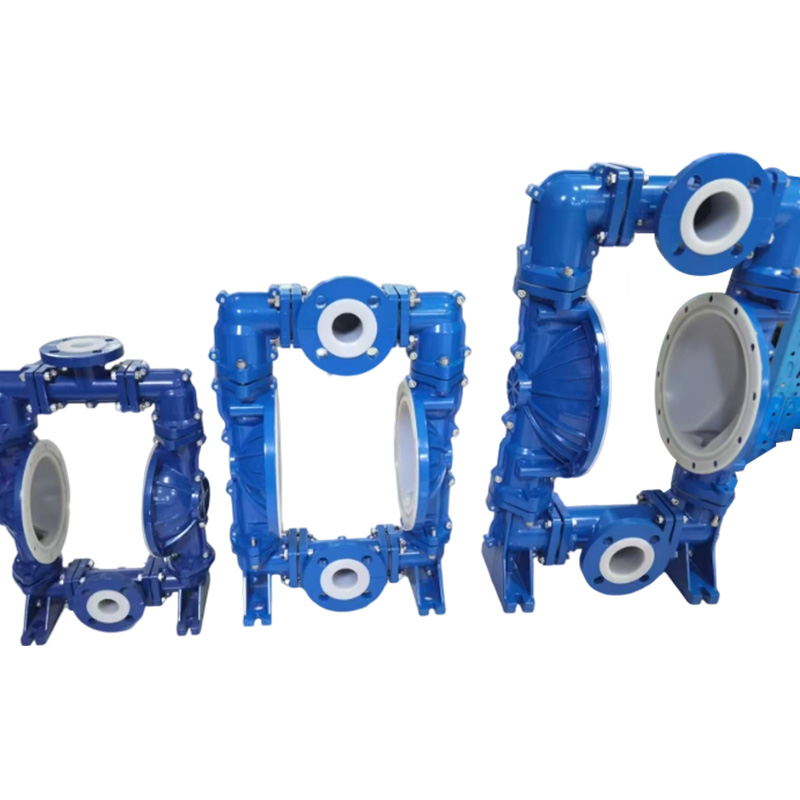
- Pneumatic and Hydraulic Systems: Components like diaphragm pumps rely on precisely manufactured molds to create the intricate parts that make up these systems. Proper mold manufacturing ensures that each part fits together with minimal tolerance, preventing leaks and improving overall performance.
- Consumer Electronics: Mold manufacturing is used to produce small, intricate parts for electronic devices such as smartphones, computers, and home appliances. The use of precision molds allows for the production of complex shapes and fine details necessary for modern electronics.
Practical Tips for Improving Mold Manufacturing Precision
Ensure that machine operators are trained in the proper techniques for operating CNC machines and other precision tools.
Regularly inspect and maintain equipment to prevent issues with wear and tear that could affect mold precision.
Consider incorporating 3D printing or additive manufacturing techniques for rapid prototyping and design iterations.
FAQ
- What materials are commonly used in mold manufacturing?
Common materials for mold manufacturing include steel, aluminum, and specialized alloys. The choice depends on the type of product being molded and the operational conditions it will face.
- How does mold temperature control impact the final product?
Mold temperature control helps to maintain uniform cooling and solidification, preventing defects like warping or shrinkage, which could affect the final product's quality.
- What is the importance of quality control in mold manufacturing?
Quality control ensures that every mold meets the exact specifications required for performance. It helps detect issues early, reducing the risk of defects in the final product.
- How does an infinite speed reducer improve the molding process?
An infinite speed reducer allows for precise control over the speed and torque of equipment, improving the accuracy of molding and reducing the chances of errors during production.
- Can automation improve the precision of mold manufacturing?
Yes, automation helps reduce human error and increases consistency in repetitive tasks, causing higher precision and efficiency in the production of molds.
- What role does tooling precision play in mold manufacturing?
Tooling precision is critical for ensuring that molds are produced to exact dimensions, which affects the functionality and quality of the final product. High-precision tools are necessary for achieving these results.
CATEGORY
Message Feedback
Copyright © Zhejiang Xiafeng Precision Die Casting Co., Ltd.
China Air Operated Double Diaphragm Pump
