 English
 русский
Industry News
Home / News / Industry News / Valve Manual Mechanism Turbine Head Supply Design And Application Insights


Industry News
2025-12-17
Industrial systems often require specialized components to ensure precise control and durability. Companies sourcing Valve Manual Mechanism Turbine Head Supply, OEM Automotive Aluminum Parts, and High Pressure Diaphragm Pump in China face challenges in selecting products that meet operational requirements. Understanding the characteristics, applications, and supplier capabilities for these components can improve efficiency, reduce downtime, and support long-term maintenance strategies.
Valve manual mechanism turbine heads are critical components in controlling fluid flow within turbines and similar systems. These devices allow operators to manually adjust valve positions, regulating the flow rate and ensuring good performance under varying operational conditions. Selecting a turbine head supply involves examining material quality, operational tolerances, and compatibility with existing systems.
Industries such as power generation, water treatment, and chemical processing frequently rely on valve turbine heads to manage high-pressure and high-temperature fluids. Manufacturers providing these components often document mechanical specifications, operational limits, and installation guidelines to support system engineers in proper integration and maintenance.
OEM automotive aluminum parts are widely used due to their lightweight characteristics, corrosion resistance, and mechanical strength. These parts include components such as engine brackets, housings, and chassis elements, which require precise dimensional control to meet automotive standards. Companies sourcing these parts prioritize suppliers that can maintain consistent production quality and provide accurate material documentation.
In automotive assembly, aluminum parts reduce vehicle weight, which contributes to improved fuel efficiency and performance. Ensuring compatibility with existing manufacturing processes and adhering to industry standards for aluminum alloys is essential for maintaining product integrity and long-term durability.
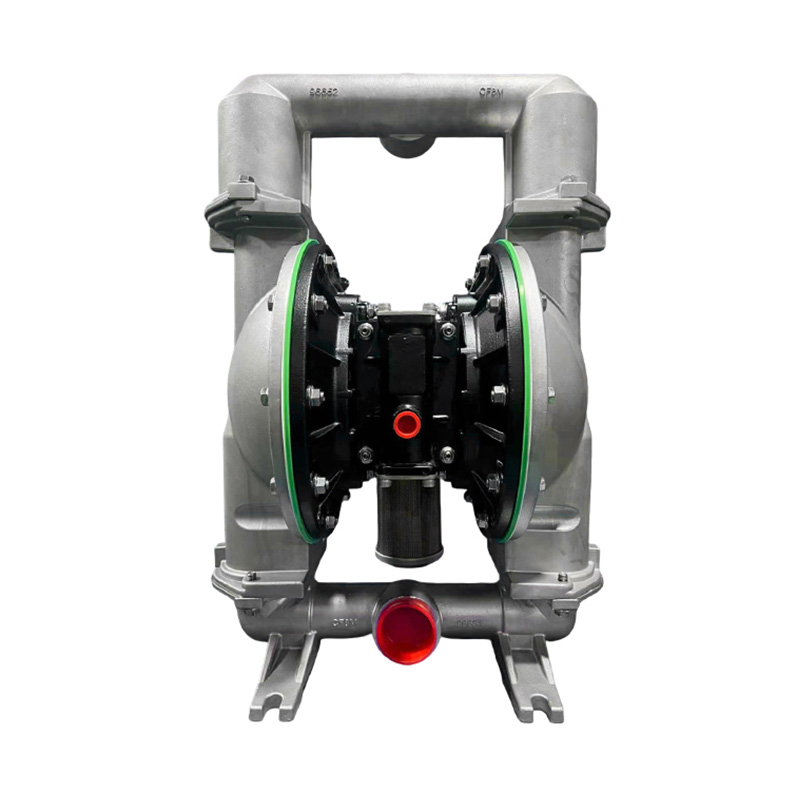
High pressure diaphragm pumps are versatile devices used in applications ranging from chemical dosing to industrial fluid transfer. Suppliers typically provide documentation on pump performance, including pressure curves, material specifications, and operational guidelines.
Key considerations include diaphragm material selection, resistance to abrasive fluids, and the pump’s ability to maintain consistent output under continuous operation. Businesses should assess spare parts availability and technical support to reduce operational interruptions and ensure safe handling of high-pressure fluids.
Combining valve turbine head supplies with OEM automotive aluminum components supports industries requiring precision mechanical assemblies and fluid control. For instance, turbine systems used in automotive or energy sectors may require customized valve mechanisms alongside aluminum structural components for enhanced durability and performance.
Engineering teams benefit from early collaboration with suppliers to align specifications, reduce design conflicts, and ensure seamless integration into larger assemblies. Proper selection reduces operational risks and supports consistent production cycles.
China offers a wide range of manufacturers and distributors for high pressure diaphragm pumps. Companies sourcing these pumps should evaluate supplier capabilities, production capacity, and adherence to international standards. Reliable supply chains provide access to pumps in multiple configurations, including portable and stationary units, as well as various connection types.
Technical support and availability of spare parts play a significant role in operational planning. Distributors often provide performance data, installation guides, and maintenance instructions to ensure safe and effective integration into industrial processes.
Valve manual mechanism turbine heads are crucial when precise flow control is required, particularly in systems where automated control may not be practical or where redundancy is needed. Selecting the correct head involves evaluating operating pressure, material compatibility, and valve interface specifications.
Maintenance planning is also important. Regular inspections, lubrication, and calibration ensure consistent operation and extend the life of the component. Early involvement of suppliers can aid in identifying suitable materials and design adjustments to match operational requirements.
Automotive aluminum components contribute to reduced vehicle weight, improved fuel efficiency, and enhanced structural integrity. Their application in engine components, suspension systems, and chassis assemblies allows for better load distribution and corrosion resistance. Suppliers providing OEM parts often offer detailed technical specifications, material certificates, and production process documentation to support quality control.
Integration into assembly lines requires careful alignment with existing manufacturing processes, welding techniques, and thermal treatments. Understanding supplier capabilities helps engineers and procurement teams avoid compatibility issues and ensures consistent production outcomes.
Integrating high pressure diaphragm pumps involves evaluating installation location, fluid characteristics, and operational conditions. Operational teams should review pressure ratings, flow capacity, and connection compatibility before installation. Documentation such as wiring diagrams, maintenance schedules, and operational limits supports successful integration.
Periodic testing and monitoring are recommended to detect wear or performance deviations. Supplier-provided guidance on diaphragm replacement, valve inspection, and routine maintenance reduces the risk of unexpected downtime.
The choice of materials for valve turbine heads, automotive aluminum parts, and diaphragm pumps affects operational efficiency, safety, and longevity. Corrosion resistance, mechanical strength, and thermal tolerance are critical considerations. Working with suppliers who can provide detailed material specifications, testing reports, and compliance documentation ensures that components meet the operational and regulatory requirements.
Proper material selection also influences maintenance intervals and operational safety. For high-pressure applications, material performance under stress and temperature fluctuations is essential to prevent system failures.
Industries such as automotive manufacturing, power generation, chemical processing, and water treatment drive demand for valve turbine heads, OEM aluminum parts, and high pressure diaphragm pumps. Operational requirements like precise flow control, lightweight structures, and high-pressure fluid handling make these components integral to system performance. Beyond these core sectors, other industries such as oil and gas, marine engineering, pulp and paper, and food and beverage processing also rely on these components for critical applications.
For example, in oil and gas facilities, valve turbine heads and high-pressure diaphragm pumps are essential for controlling fluid flow in pipelines and processing equipment, ensuring safe and efficient operations under extreme pressure and temperature conditions. Similarly, in water treatment plants, accurate flow regulation and corrosion-resistant materials are crucial for maintaining consistent water quality and system longevity.
The demand for OEM automotive aluminum parts continues to grow as manufacturers pursue lighter vehicle designs to enhance fuel efficiency and reduce emissions. Aluminum components are also increasingly used in electric vehicles and hybrid systems, where weight reduction and thermal management are important.
Understanding these industry-specific needs allows suppliers to offer tailored solutions, including custom materials, precise tolerances, and appropriate safety features. Additionally, integrating feedback from end-users regarding operating conditions, maintenance schedules, and environmental factors helps manufacturers optimize design and production processes. This proactive approach ensures components meet both regulatory standards and practical performance requirements, supporting long-term operational efficiency across multiple sectors.
Copyright © Zhejiang Xiafeng Precision Die Casting Co., Ltd.
