 English
 русский
Industry News
Home / News / Industry News / Air Operated Pneumatic Diaphragm Pump: The Pump That Runs on Compressed Air

2026-10-02
A pump that runs on electricity cannot go everywhere. A pump that runs on compressed air can. It works in the wet, in the explosive, in the remote. An air operated pneumatic diaphragm pump uses air pressure to flex two diaphragms back and forth, moving fluid through chambers and check valves. No motor. No electricity. No seals that leak. For chemical transfer, mining dewatering, and food processing, the air diaphragm pump is the pump that works where the others stop.
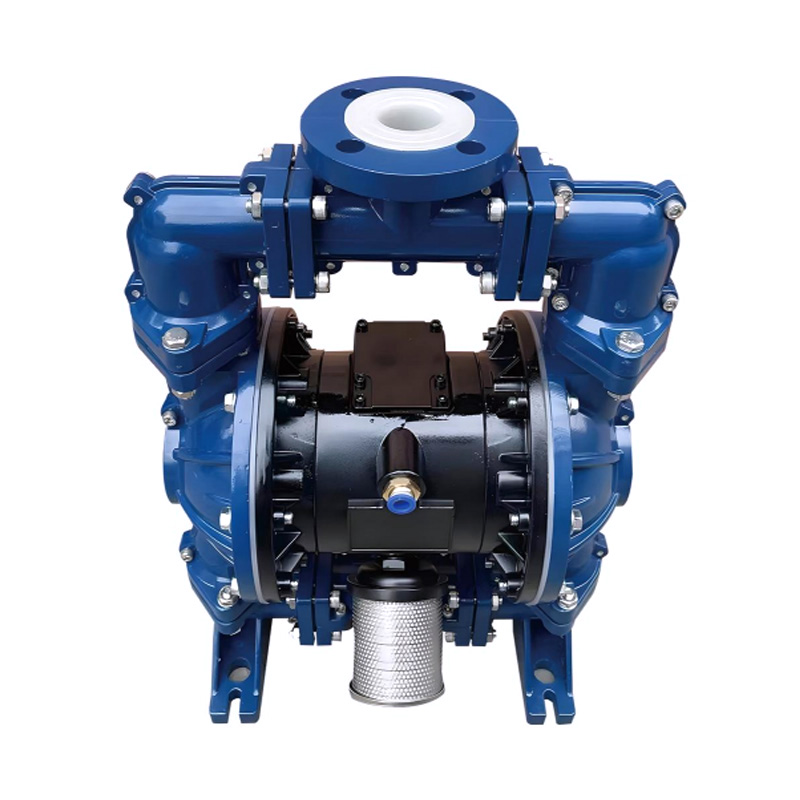
The pump is two halves: the air side and the fluid side. The air side has a valve that directs compressed air alternately to the back of each diaphragm. The fluid side has the chambers, the check valves, and the ports. An air operated pneumatic diaphragm pump keeps the two sides separated by the diaphragms themselves. The air never touches the fluid. The fluid never touches the air mechanism.
The air valve is the heart. It shifts the air from one diaphragm chamber to the other, creating the back-and-forth action. A sticking air valve stalls the pump. An air operated pneumatic diaphragm pump with a properly designed air valve runs without lubrication and without sticking.
The diaphragms are the flexing parts. They are made of neoprene, EPDM, PTFE, or Santoprene, matched to the fluid. The diaphragms have to flex millions of times without cracking. An air operated pneumatic diaphragm pump with quality diaphragms runs until the diaphragms finally wear out, and then they are replaced as a maintenance item.
A pump driven by electricity needs a motor, a cord, and a dry location. An air operated pneumatic diaphragm pump needs none of those. It runs on the compressed air line that already exists in most plants. In a wet environment, there is no shock hazard. In an explosive atmosphere, there is no spark.
The pump can run dry. A centrifugal pump burns out when the suction runs dry. An air operated pneumatic diaphragm pump just keeps cycling until the fluid comes back. That matters when the suction hose picks up air or the tank runs empty.
The pump can run against a closed discharge. When the outlet is blocked, the air pressure in the pump equalizes and the pump stalls, holding the pressure. When the outlet opens, the pump starts again. An air operated pneumatic diaphragm pump does not destroy itself the way a positive displacement pump would.
The check valves control the flow direction. Ball valves or flap valves sit at the inlet and the outlet of each chamber. They open to let fluid in and close to stop it flowing back. An air operated pneumatic diaphragm pump with properly seated check valves pumps efficiently. A worn check valve leaks and the pump output drops.
The ports are the connections. Suction and discharge, threaded or flanged. The port size determines the flow capacity. A one-inch pump moves less than a two-inch pump. An air operated pneumatic diaphragm pump sized for the job moves the required volume without running at full speed constantly.
The manifold is where the two chambers join. The fluid enters through the inlet manifold and exits through the discharge manifold. The manifold can be split for cleanout or solid for simple service. An air operated pneumatic diaphragm pump with a manifold that handles the solids in the fluid without clogging serves the dirty jobs.
Here is what an air operated pneumatic diaphragm pump needs to deliver:
Mining and quarry dewatering uses the pump in the pit, the trench, and the sump. The water is dirty. The pump sits in it. An air operated pneumatic diaphragm pump handles the solids and the wet without an electrical hazard.
Chemical transfer uses the pump for acids, solvents, and slurries. The diaphragms and the chamber material are matched to the chemical. An air operated pneumatic diaphragm pump with PTFE diaphragms and a polypropylene chamber handles aggressive fluids.
Food processing uses the pump for sauces, purees, and viscous products. The gentle pumping action does not damage the product. An air operated pneumatic diaphragm pump in a sanitary version meets the food-grade requirements.
The air valve sticks because the air line carries water or dirt. A filter and a regulator on the air supply fix it. The pump cavitates because the suction hose is too long or too small. Proper suction design prevents it. The diaphragms crack because the fluid was too aggressive for the material. The right diaphragm compound solves it.
An air operated pneumatic diaphragm pump runs on the air that is already in the plant. It pumps the dirty water, the acid, the sauce. It runs dry and it runs against a closed valve. Choose a pump with a reliable air valve, diaphragms matched to the fluid, and check valves that hold. The pump will move the fluid and keep moving it until the air stops. That is the point.
Copyright © Zhejiang Xiafeng Precision Die Casting Co., Ltd.
China Air Operated Double Diaphragm Pump
