 English
 русский
Industry News
Home / News / Industry News / Aluminum Alloy Die Casting Mold Cracks at the Core Pin Before the Cavity Wears

2026-07-24
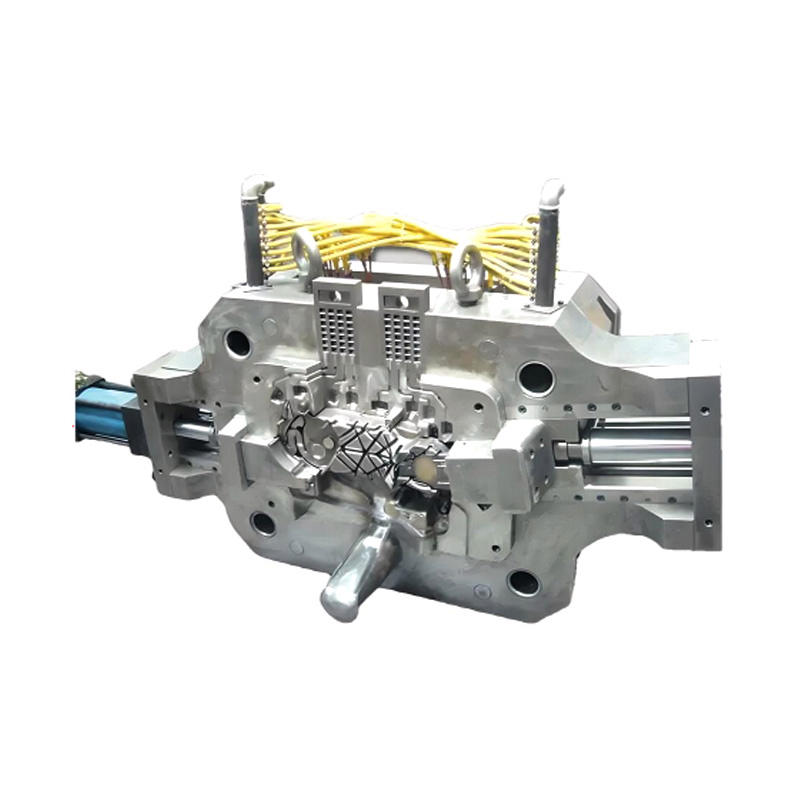
An aluminum alloy die casting mold produces lightweight, high-strength components for automotive, electronics, and industrial applications. The mold arrives with precision-machined cavities and smooth core pins. After thousands of injection cycles, the same mold produces parts with visible surface defects. The cavity still holds its dimensions. The ejector system still functions. But the core pin has cracked or warped. The aluminum alloy die casting mold that cannot maintain its core pin integrity fails while the main cavity remains perfectly usable. The core pin fails before the cavity shows any wear.
Core pins form holes and undercuts in the casting. They are the narrowest, most stressed parts of the mold. Molten aluminum enters at high temperature and high pressure. The core pin heats faster than the surrounding cavity steel. The differential expansion creates stress. The stress concentrates at the pin base. The pin cracks. The casting scrap rate rises. The mold builder replaces the pin. The new pin cracks within the same number of cycles.
The core pin must cool quickly enough to release the casting but slowly enough to avoid thermal shock. An aluminum alloy die casting mold with core pins that cool unevenly develops hot spots. The hot spots soften the pin steel. The softened pin deforms under injection pressure. The pin bends. The casting hole shifts out of position.
An aluminum alloy die casting mold manufacturer that controls these four variables ships molds with core pins that survive hundreds of thousands of cycles. One that treats core pins as secondary components ships molds that fail early, and the casting buyer blames the cavity wear for a pin problem.
Each injection cycle heats the pin. Each ejection cools the pin. The repeated heating and cooling creates thermal fatigue. Microscopic cracks appear on the pin surface. The cracks grow with each cycle. A crack reaches a critical size. The pin fails. The aluminum alloy die casting mold that produces 50,000 good castings may produce 5,000 reject castings before the pin finally breaks.
An aluminum alloy die casting mold operator who watches for these signs replaces the pin before it breaks. One who ignores them waits until the pin cracks inside the die and damages the cavity.
The aluminum alloy die casting mold sells on cavity precision. The cavity machines from premium tool steel. The cavity holds its dimensions. The core pin wears and cracks. The cavity still produces good parts if the pin is replaced. The aluminum alloy die casting mold that fails from core pin fatigue does not fail because the cavity lost its shape. It fails because the smallest, hottest, most stressed component reached its limit. The cavity stays sharp. The pin fails. The mold waits for a new pin that will follow the same path.
Copyright © Zhejiang Xiafeng Precision Die Casting Co., Ltd.
China Air Operated Double Diaphragm Pump
