 English
 русский
Industry News
Home / News / Industry News / PVDF Pneumatic Diaphragm Pump Fails at the Diaphragm Before the Housing Degrades

2026-07-17
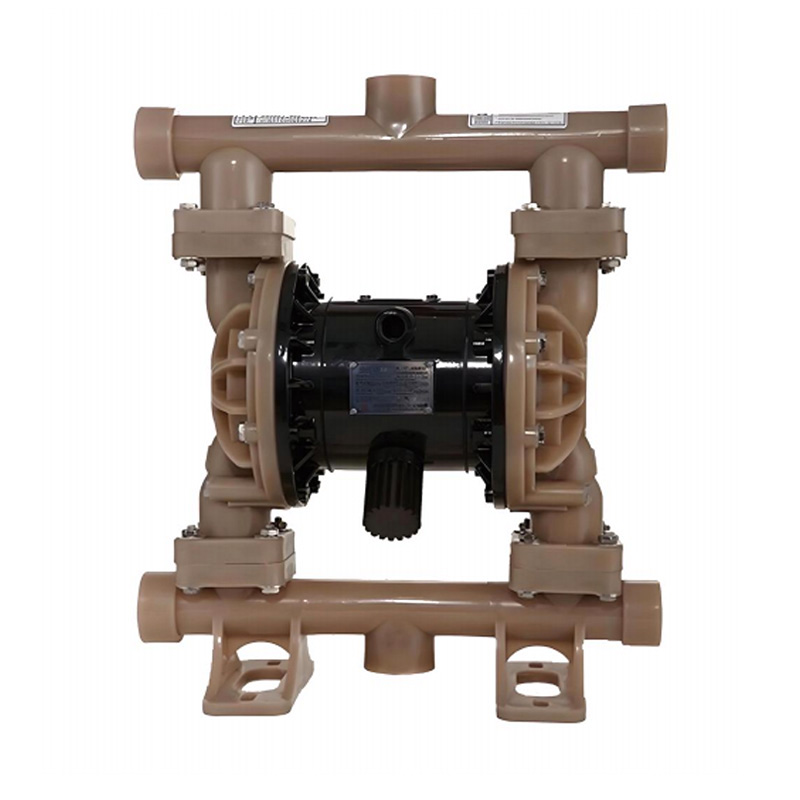
A PVDF pneumatic diaphragm pump is specified for aggressive chemicals that would attack metal or standard plastics. Chemical plants, semiconductor fabs, and wastewater treatment facilities rely on these pumps to transfer acids, solvents, and caustic solutions. The pump arrives with a chemically resistant PVDF housing and smooth pneumatic operation. After months of continuous chemical transfer, the pump loses prime or delivers reduced flow. The housing still resists chemical attack. The valves still seat. But the diaphragm has cracked or softened. The PVDF pneumatic diaphragm pump that cannot maintain its diaphragm integrity fails while the housing and fluid path remain chemically sound. The diaphragm fails before the PVDF shows any sign of degradation. Plant engineers report replacement cycles shortening from two years to six months on pumps handling the same chemicals.
The diaphragm is the only component that flexes. The housing stays rigid. The valves slide. The diaphragm bends thousands of times per hour. Each flex adds stress. The stress accumulates. The material fatigues. The pump that runs continuously for months sees millions of flex cycles. A properly selected diaphragm survives. An underspecified one does not.
Chemical compatibility determines whether the diaphragm swells, stiffens, or dissolves when exposed to the process fluid. Temperature rating determines whether the material stays flexible or turns brittle under operating conditions. Flex cycle life rating tells how many strokes the material can survive before fatigue cracks appear. Reinforcement layer determines whether the diaphragm stretches evenly or deforms under pressure. Thickness distribution determines whether stress concentrates at the center or spreads across the surface. A PVDF pneumatic diaphragm pump manufacturer that controls these five variables ships pumps that run for years. One that treats the diaphragm as a commodity ships pumps that fail within months.
Plant operators report that diaphragms often fail at the center point where flexing is most severe. The crack starts small and grows with each stroke. The operator hears a change in the pump sound before the leak becomes visible. The pump cycles faster. The flow drops. The repair is simple. The diaphragm costs less than the housing. But replacing it every two months adds labor and downtime that the plant did not budget for.
The pneumatic air valve directs compressed air to alternate sides of the diaphragm. A PVDF pneumatic diaphragm pump with a sticky air valve cycles unevenly. The diaphragm moves too fast on one stroke and too slow on the next. The uneven motion creates extra stress on the diaphragm material. The diaphragm cracks sooner than expected. The operator blames the diaphragm. The diaphragm was correct for the application. The air valve caused the failure.
Air valve failures come from dirty compressed air. Moisture and debris enter the valve. The valve spool sticks. The timing shifts. The pump runs erratically. Operators who install air filters at the pump inlet extend valve life. Those who skip filters replace valves and diaphragms more often.
PVDF resists many chemicals. The diaphragm material may not. Solvents like acetone, MEK, and ethyl acetate swell some elastomers. Swelling changes the diaphragm dimensions. The swollen diaphragm no longer seals against the housing. The pump loses prime. The operator assumes the chemical attacked the PVDF. The PVDF is fine. The diaphragm absorbed the solvent.
A PVDF pneumatic diaphragm pump manufacturer that provides detailed chemical compatibility charts helps operators select the correct diaphragm material. One that lists only housing compatibility without mentioning diaphragm limits ships pumps that fail. The operator replaces the diaphragm with the same material. The new diaphragm swells too. The cycle repeats.
Process temperatures change. The pump runs hot during the day and cools at night. A PVDF pneumatic diaphragm pump that experiences daily temperature swings subjects the diaphragm to thermal stress. The diaphragm hardens. Harder material flexes less. Flexing less means less flow. The operator increases air pressure. The higher pressure stresses the diaphragm further. The diaphragm cracks.
A PVDF pneumatic diaphragm pump operator who watches for these signs replaces the diaphragm before it ruptures. One who ignores them waits until chemical spills across the floor. The repair costs more than the diaphragm. The downtime costs more than the repair.
The PVDF pneumatic diaphragm pump sells on chemical resistance. The PVDF housing resists acids, bases, and solvents. The housing does not degrade. The diaphragm moves and fatigues. The PVDF pneumatic diaphragm pump that fails from diaphragm fatigue does not fail because the housing corroded. It fails because the one moving component reached its limit. The housing stays intact. The pump gets repaired. The new diaphragm starts its countdown to the next failure.
The diaphragm fails while the housing waits for a new one. The PVDF housing that cost hundreds of dollars to machine remains in service. The diaphragm that costs a fraction of the housing gets replaced again and again. The PVDF pneumatic diaphragm pump that cannot keep its diaphragm intact keeps running, keeps leaking, and keeps costing money. The housing holds. The diaphragm does not. The pump works. The pump fails. The cycle never ends.
Copyright © Zhejiang Xiafeng Precision Die Casting Co., Ltd.
China Air Operated Double Diaphragm Pump
