 English
 русский
Industry News
Home / News / Industry News / Dust Butterfly Valve Factory: The Valve That Controls Air and Powder in Dust Collection Systems

2026-09-11
A dust collection system pulls air through ductwork, carrying sawdust, flour, cement powder, or chemical fines. The airflow has to be directed, isolated, and shut off at different points along the line. A butterfly valve does this with a disc that rotates inside the pipe. When open, the disc is edge-on to the airflow. When closed, it blocks the passage. A dust butterfly valve factory builds these valves specifically for the abrasive, powdery, and sometimes explosive environments of dust handling. The valve has to seal against fine particles, survive constant abrasion, and operate reliably after months of sitting in one position.
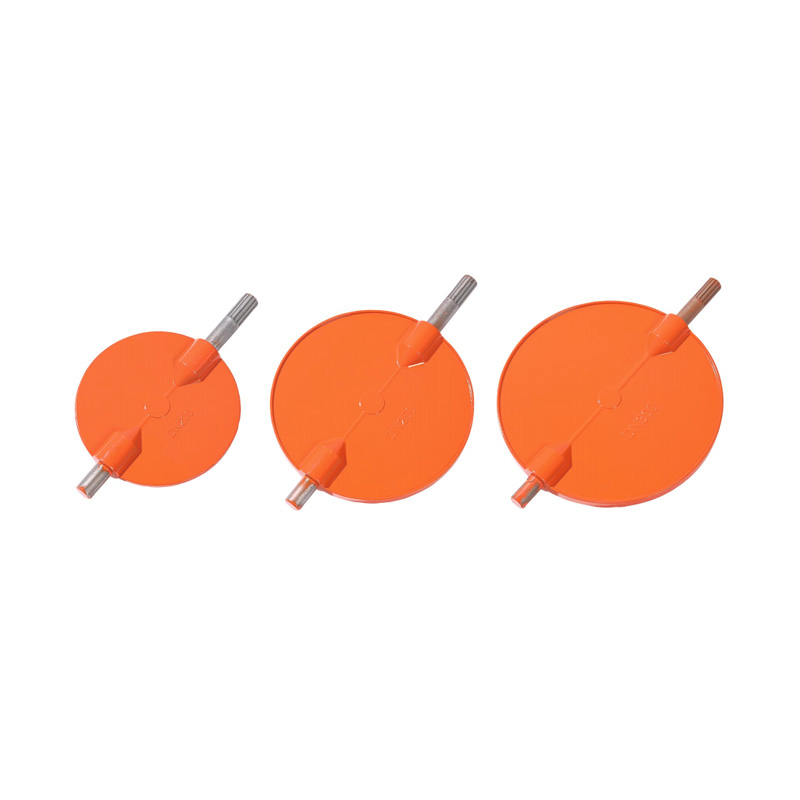
The disc is a round plate mounted on a shaft. It rotates 90 degrees from fully open to fully closed. In a dust butterfly valve, the edge of the disc and the seal around the pipe bore have to make complete contact. A gap lets dust through. Fine powder finds any opening.
The seal is the wear point. Dust is abrasive. Every time the valve closes, the seal squeezes against the disc edge and traps particles. A dust butterfly valve factory uses EPDM, silicone, or PTFE seals depending on the dust type and temperature. EPDM handles many industrial dust. Silicone handles higher heat. PTFE handles chemical powders.
The disc is typically cast iron, carbon steel, or stainless steel. The material choice depends on the dust and the gas stream. A dust butterfly valve factory matches the disc material to the application. Cement dust is abrasive. Chemical powder is corrosive. Wood dust is sticky.
The valve body sits between two flanges in the ductwork. It has to align with the pipe bore and seal at the flange faces. A dust butterfly valve factory machines the body so the valve drops into the line without gaps.
The body can be wafer-style, which fits between flanges, or lug-style, which bolts to each flange separately. A dust butterfly valve factory offers both. Wafer valves are lighter and cheaper. Lug valves allow one side of the line to be disconnected without dropping the valve.
The shaft passes through the body and connects to the actuator or handle. The shaft seals prevent dust from leaking out around the shaft. A dust butterfly valve factory uses shaft seals rated for the dust environment. A leaking shaft seal sends powder into the air around the valve.
A simple dust butterfly valve opens and closes with a lever. The operator pulls the handle. The disc rotates. For systems that need frequent cycling or remote control, an actuator drives the shaft. A dust butterfly valve factory offers pneumatic or electric actuators matched to the valve size and torque requirement.
The actuator has to overcome the torque of the disc against the seal. A valve that is hard to turn when new will be harder after months of dust buildup. A dust butterfly valve factory sizes the actuator with enough margin to operate the valve through its service life.
The position indicator on the actuator or the handle shows whether the valve is open or closed. In a dust system, a valve that is left half-open or half-closed by mistake changes the airflow balance. A dust butterfly valve factory provides clear position indication.
Here is what a dust butterfly valve factory needs to deliver:
Wood dust has resin. Sugar dust is sticky. Flour packs under pressure. These dusts build up on the disc edge and the seal surface. The valve gets harder to close. The seal wears faster. A dust butterfly valve factory designs the disc profile so it cuts through the buildup as it closes. The disc edge acts like a scraper.
Intermittent operation makes this worse. A valve that sits open for weeks collects a layer of dust on the seal. When it finally closes, the seal has to crush that layer. A dust butterfly valve factory selects seal materials that recover their shape after being compressed against a dusty surface.
Woodworking shops use dust butterfly valves to isolate machines from the central collector. The valve at each machine closes when the machine is idle, directing suction to the machines in use. A dust butterfly valve factory supplying this market builds valves that cycle daily.
Cement plants and flour mills use butterfly valves in pneumatic conveying lines. The valves direct product flow between silos and processing equipment. A dust butterfly valve factory building for this market uses materials rated for continuous abrasion.
Chemical processing uses butterfly valves in fume extraction systems. The valves isolate sections of ductwork during maintenance. A dust butterfly valve factory serving this market builds with chemical-resistant seals and discs.
A maintenance crew tries to close a butterfly valve that has been open for six months. The handle will not move. The dust has packed around the shaft and the seal has hardened. This is the failure a dust butterfly valve factory designs against. The shaft seals keep the dust out of the bearing area. The seal material stays flexible. The disc edge scrapes the buildup.
A dust butterfly valve factory builds a valve that works in the dirtiest part of the plant. The disc rotates. The seal holds. The shaft does not leak. Choose a factory that matches the materials to the dust, sizes the actuator for the long haul, and designs the disc to cut through buildup. The airflow stays where it belongs. That is the job.
Copyright © Zhejiang Xiafeng Precision Die Casting Co., Ltd.
China Air Operated Double Diaphragm Pump
