 English
 русский
Industry News


Industry News
How Can Mold Manufacturing Wholesalers Improve Production Efficiency?
2025-12-17
Every year, manufacturers across multiple industries face increasing demands for precision components. Companies searching for quality suppliers often encounter challenges when sourcing specialty items such as Custom Aluminum Alloy Diaphragm Pump Castings and Air Operated Diaphragm Pump Supply. These components are essential for fluid transfer applications in chemical, pharmaceutical, and water treatment industries. Understanding the options available from Mold Manufacturing Wholesalers, alongside considerations for custom aluminum castings and diaphragm pumps, can significantly influence project efficiency and operational reliability.
What Makes Mold Manufacturing Wholesalers Suitable For Your Projects?
Mold manufacturing wholesalers play a central role in bridging manufacturers with reliable component producers. They offer access to a range of mold types for different industrial applications, including injection molds, die-casting molds, and precision molds for fluid handling devices. Choosing a wholesaler often depends on their catalog diversity, ability to supply molds compatible with high-volume production, and responsiveness in fulfilling orders.
A typical inquiry for wholesalers might include considerations about mold material quality, machining tolerances, and the ability to meet specific design modifications. Manufacturers frequently require molds that can withstand repetitive cycles without compromising dimensional accuracy. Wholesalers often maintain inventories that allow quicker turnaround compared to custom order manufacturers, which is essential for businesses facing tight production schedules.
How Custom Aluminum Alloy Diaphragm Pump Castings Are Produced
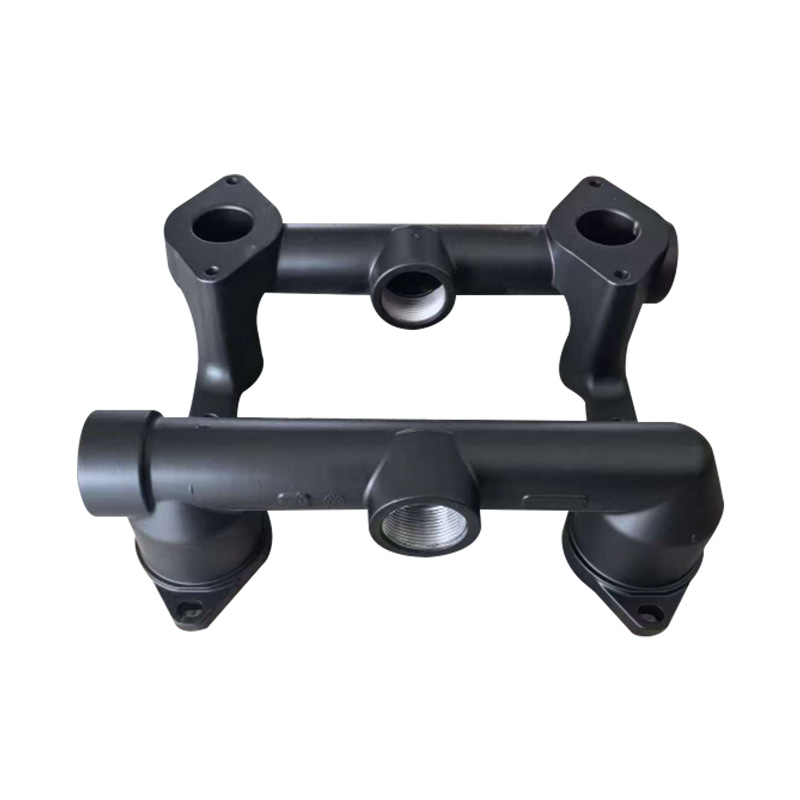
Custom aluminum alloy diaphragm pump castings are widely used for their lightweight and corrosion-resistant properties. These castings are produced through precise die-casting processes, where molten aluminum is injected into molds to form components matching the required specifications. Customization allows manufacturers to adjust dimensions, wall thickness, and surface treatments based on the operating environment and fluid compatibility.
Key considerations when sourcing custom aluminum castings include thermal conductivity, mechanical strength, and resistance to chemicals or abrasive media. Manufacturers also evaluate the consistency of the casting process, as variations can affect the sealing performance of the diaphragm pump. Working with suppliers that can provide documentation on material grades and testing results helps companies ensure that the castings meet industry standards.
Why Air Operated Diaphragm Pump Supply Remains Critical
Air operated diaphragm pumps (AODPs) are versatile devices suitable for transferring a wide variety of fluids, from water-based solutions to highly viscous chemicals. Their operational principle relies on compressed air driving diaphragms alternately, creating suction and discharge cycles. The supply of these pumps requires careful attention to performance parameters such as flow rate, pressure tolerance, and material compatibility with the transferred fluid.
Availability of different sizes, mounting configurations, and connections is crucial for adapting pumps to existing systems. Wholesalers and distributors often provide pumps as part of a broader supply chain, offering not only the devices themselves but also spare parts like diaphragms, valves, and gaskets. Ensuring consistent supply can reduce downtime in industrial operations where fluid handling is continuous.
Who Benefits From Combining Mold Manufacturing With Custom Pump Castings?
Industries that rely on specialized fluid transfer equipment, such as chemical processing, food production, and water treatment, benefit from a combination of mold manufacturing expertise and custom aluminum alloy diaphragm pump castings. Engineers and production managers can coordinate with mold manufacturers to produce components tailored for specific pump models, optimizing performance while maintaining cost-effectiveness.
Such integration reduces the need for frequent redesigns and allows for faster prototyping. Additionally, companies can plan maintenance cycles more efficiently, as having access to both molds and spare castings ensures that replacement parts can be produced on demand.
Where To Source Air Operated Diaphragm Pumps Effectively
Finding reliable air operated diaphragm pump suppliers involves evaluating both product range and technical support. Industrial distributors often stock multiple models with varied capacities, enabling businesses to select pumps suitable for low-volume lab work or high-volume industrial operations.
Working with suppliers who provide detailed specifications, performance curves, and installation guides helps operational teams make informed choices. Some distributors also offer technical consulting to assist in selecting pumps for challenging applications, such as abrasive slurries or high-temperature fluids.
When Customization Of Pump Castings Becomes Necessary
Customization is generally required when standard castings cannot meet the operational or spatial requirements of a particular system. For example, adjusting port locations, diaphragm size, or casing thickness may be essential for fitting into existing assemblies or ensuring fluid flow. Such customization also allows engineers to enhance corrosion resistance or reduce weight for portable applications.
Engaging with casting manufacturers early in the design process can prevent costly redesigns later. Sharing detailed CAD files and material specifications ensures that the resulting castings meet functional and dimensional requirements while complying with relevant industrial standards.
How Mold Manufacturing Wholesalers Support Industrial Innovation
Mold manufacturing wholesalers contribute to industrial innovation by providing access to a variety of mold technologies and production techniques. Companies can experiment with new materials, test alternative manufacturing methods, or produce small batches for trial runs without committing to long-term contracts. This flexibility supports continuous improvement in product design and manufacturing efficiency.
Additionally, wholesalers often maintain technical teams who can advise on mold design modifications, material selection, and process optimization. This collaborative approach allows manufacturers to address operational challenges more effectively and maintain consistent product quality.
What Are Practical Considerations When Planning Pump Supply Chains?
When planning the supply of air operated diaphragm pumps, companies must account for compatibility with existing systems, and maintenance requirements. Inventory planning is critical to prevent interruptions in fluid transfer operations. Businesses should also evaluate warranty terms, technical support availability, and ease of installation to ensure that pumps can be integrated smoothly.
Incorporating standardized components and maintaining relationships with multiple suppliers can mitigate risks associated with sudden demand spikes or production disruptions. Strategic planning in procurement ensures that operations remain efficient and adaptable to changing industrial requirements.
How To Evaluate Custom Aluminum Casting Quality
Evaluating the quality of custom aluminum alloy diaphragm pump castings involves inspection of surface finish, dimensional accuracy, and mechanical properties. Non-destructive testing methods, such as X-ray or ultrasonic inspection, are often employed to detect internal voids or inclusions. Ensuring that the alloy composition matches specifications is critical for achieving the desired performance under chemical or thermal stress.
Regular audits of the casting supplier’s production process can help maintain consistency and prevent deviations that might compromise pump performance. Documentation of testing results and material certificates provides confidence that components meet operational and safety standards.
Which Industries Are Driving Demand For Diaphragm Pump Components?
Demand for diaphragm pump components is driven by industries requiring precise fluid handling. Chemical manufacturing, pharmaceuticals, food and beverage production, and water treatment facilities frequently deploy pumps for dosing, transfer, and circulation tasks. The need for durable, lightweight, and corrosion-resistant components has led to increased interest in custom aluminum alloy castings and flexible supply arrangements for air operated pumps.
Understanding the specific requirements of each sector, including regulatory compliance and fluid characteristics, helps suppliers tailor offerings and ensures that end-users receive components suited for their operational environment.
CATEGORY
Recent Posts
Message Feedback
Copyright © Zhejiang Xiafeng Precision Die Casting Co., Ltd.
