 English
 русский
Industry News

How Infinite Speed Reducer Can Enhance Performance in Motor Drives
2026-05-01
In modern industrial systems, motor drives are central to ensuring smooth and efficient operations. A key component in optimizing motor performance is the infinite speed reducer, which plays a significant role in adjusting the speed and torque to match the system’s needs. Coupled with mold manufacturing, these reducers allow for precise control over the motor’s output, offering flexibility in a wide range of industrial applications.
The Role of Speed Reducers in Motor Drives
An infinite speed reducer is designed to modify the rotational speed of a motor while increasing its torque output. This is particularly beneficial in applications that require consistent and controlled motion. By altering the gear ratios in response to real-time demand, it enables motor drives to operate more efficiently, reducing the wear and tear on motors while increasing their operational lifespan. The result is a more stable performance across various machinery, from conveyors to pumps.
Benefits of Integrating Mold Manufacturing with Speed Reducers
Incorporating mold manufacturing with infinite speed reducers can enhance the overall functionality of motor drives. The precision in mold production ensures that each component used in the speed reducer is made to the correct specifications, improving the mechanical properties and performance of the finished product. Moreover, with advanced die-casting technology, components such as gears, housings, and shafts are manufactured with higher accuracy and fewer defects. This precision is vital in applications where even minor deviations can affect the performance and reliability of the system.
In the case of automotive components or amusement equipment, where high-precision components are crucial, mold manufacturing combined with the capabilities of speed reducers can improve the efficiency of motor drives without compromising durability.
How Infinite Speed Reducers Contribute to Cost-Effective Solutions
One of the major advantages of using infinite speed reducers is their potential to offer cost-effective solutions in various applications. By optimizing motor speed and torque, these devices reduce the need for additional components, such as external gears or variable frequency drives (VFDs). This results in simpler system designs and lower initial investment costs. Furthermore, the integration of mold manufacturing ensures that these components are not only precise but also durable, reducing the frequency of replacements and repairs over time.
Key Considerations When Selecting an Infinite Speed Reducer
When selecting an infinite speed reducer for motor drives, it is essential to consider several factors to ensure compatibility with the system:
- Torque Requirements: Assess the required torque and ensure that the speed reducer can handle the expected load without causing strain on the motor.
- Speed Range: Depending on the application, you may need a wide or narrow range of speeds. Ensure that the speed reducer you select can provide the necessary range for your system.
- Efficiency: While some reducers focus on power reduction, others prioritize maintaining efficiency. Select a speed reducer that balances energy use with the desired output.
Incorporating the right mold manufacturing processes for the reducer components can further enhance these factors, ensuring that parts are well-suited to meet these demands.
Common Questions About Infinite Speed Reducers
Q1: What types of motors are suited for infinite speed reducers?
Infinite speed reducers can be used with a variety of motors, including AC and DC motors. The choice of motor depends on the specific application and the required performance characteristics, such as torque and speed.
Q2: How can I determine the correct size of the speed reducer for my system?
The size of the speed reducer depends on the motor’s output, torque requirements, and desired speed. It’s important to consult with technical experts to calculate the ideal size and ensure compatibility with the overall system.
Q3: What is the expected lifespan of an infinite speed reducer?
The lifespan of an infinite speed reducer can vary depending on usage and maintenance. However, with proper care and maintenance, these components can last for many years, especially when made with high-quality materials and precise manufacturing processes.
Q4: How does the integration of mold manufacturing affect the performance of speed reducers?
Mold manufacturing ensures that each component of the speed reducer is created to high precision, which helps to reduce defects and increase the overall mechanical performance. Precision manufacturing causes a smoother operation of the reducer, minimizing unnecessary friction and wear.
Q5: Are there energy-saving benefits to using infinite speed reducers?
Yes, infinite speed reducers can contribute to energy savings by optimizing motor speed and reducing unnecessary energy consumption.
Q6: Can I use an infinite speed reducer for applications with variable loads?
Yes, infinite speed reducers are well-suited for applications that experience varying loads. Their ability to adjust speed dynamically ensures that the system can accommodate fluctuations in demand without sacrificing performance.
CATEGORY
Message Feedback
Copyright © Zhejiang Xiafeng Precision Die Casting Co., Ltd.
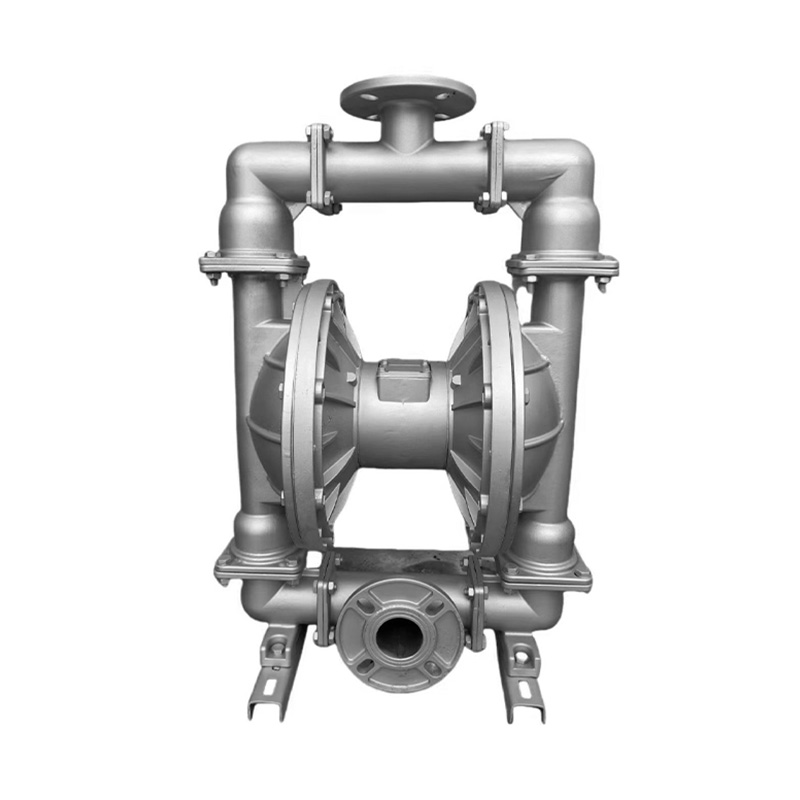
China Air Operated Double Diaphragm Pump
