 English
 русский
Industry News
Home / News / Industry News / Why Mold Manufacturing is Essential for High-Quality Industrial Components

2026-04-24
Mold manufacturing plays a crucial role in the production of industrial components, particularly in areas like diaphragm pumps and infinite speed reducers. This process directly impacts the efficiency, precision, and longevity of the final product. By focusing on mold design and manufacturing, companies can ensure that their products meet stringent quality standards while maintaining functionality across various applications.
Mold manufacturing is a foundational process in the production of industrial components, as it sets the parameters for how materials are shaped, sized, and assembled. The accuracy of mold design determines the overall quality and performance of components such as infinite speed reducers.
In industrial equipment, components like infinite speed reducers are critical for machinery that requires consistent motion control. These parts must be manufactured with high precision to ensure smooth operation and reduce wear and tear over time. The mold manufacturing process allows for tight tolerances and specific material properties, which are necessary to meet industry standards.
The production process itself is carefully planned and executed to ensure efficiency. It involves numerous steps, including designing the mold, choosing appropriate materials, and using advanced technologies like computer-aided design (CAD) and computer numerical control (CNC) machines. These techniques allow manufacturers to produce high-quality molds that can withstand the pressures and demands of industrial environments.
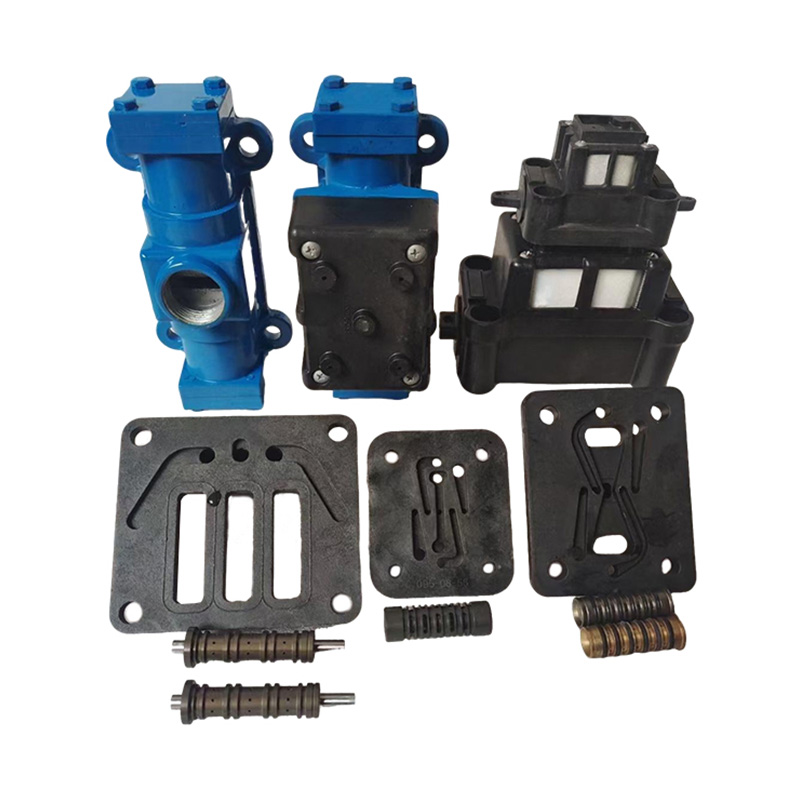
The precision of mold manufacturing directly affects the performance of components like infinite speed reducers. When molds are crafted with meticulous attention to detail, the resulting parts are better able to handle stress, friction, and other operational challenges.
In the case of infinite speed reducers, the performance is heavily influenced by the mold's design. The mold must ensure that all the components fit together seamlessly, which directly contributes to the smooth and consistent functioning of the reducer. Precision in mold design reduces the chances of defects that could compromise the performance of the reducer over time.
Molds used in the production of industrial components vary widely depending on the specific requirements of the component. In the case of infinite speed reducers, molds are designed to accommodate complex geometries, ensuring that every part of the reducer fits and functions correctly. These molds are typically made from durable materials like steel or aluminum, which can withstand high temperatures and pressures during the casting process.
|
Material |
Application |
Strengths |
Common Uses |
|
Steel |
High-stress components |
High strength, durability |
Automotive, aerospace |
|
Aluminum |
Low to medium-stress components |
Light weight, corrosion-resistant |
Consumer goods, machinery |
|
Cast Iron |
Large, complex molds |
High wear resistance |
Heavy-duty industrial applications |
|
Bronze |
Corrosion-resistant components |
Excellent wear resistance |
Marine and chemical industries |
By selecting the right mold material, manufacturers can tailor the properties of their components to specific industrial needs. For instance, a mold used in the production of infinite speed reducers must be able to endure repeated cycles of pressure and high-speed operation. The choice of material for these molds is essential in maintaining the functional integrity of the final product.
Advancements in technology have significantly improved the mold manufacturing process. Automated systems, CNC machines, and 3D printing technologies have increased the speed, precision, and flexibility of mold production. These technologies allow for faster prototyping and reduced production times, enabling manufacturers to quickly respond to changes in design or production requirements.
Additionally, digital tools such as CAD software allow for precise modeling of the mold and component, ensuring that every detail is accounted for before production begins. The integration of simulation software can also predict how the mold will behave during the casting process, helping manufacturers avoid potential issues before they arise.
The combination of traditional techniques and modern technology allows manufacturers to produce high-quality molds that meet the specific demands of industries like automotive, aerospace, and heavy machinery.
Mold manufacturing is the process of creating molds that are used to shape materials into specific forms. It is essential for ensuring the accuracy, durability, and performance of industrial components such as infinite speed reducers.
Mold design directly impacts the fit and functionality of each component in the reducer. Precise mold design ensures that parts fit together properly, causing improved performance and longevity.
Common materials for molds include steel, aluminum, cast iron, and bronze. The choice of material depends on the specific application and the level of durability required.
Advancements in technology, such as CNC machining and 3D printing, have increased the speed and accuracy of mold production, allowing manufacturers to produce more precise molds in less time.
Yes, mold manufacturing can be highly customized to meet the specific requirements of each industrial application. This includes adjusting mold materials, design features, and production processes.
Copyright © Zhejiang Xiafeng Precision Die Casting Co., Ltd.
China Air Operated Double Diaphragm Pump
