 English
 русский
Industry News

Dust Butterfly Valve Factory: The Backbone of Industrial Flow Control
2026-07-10
Industrial pipelines are full of valves. Actuators. Positioners. Flanges. Gaskets. Without proper sealing, it is a leak hazard. A dust butterfly valve factory brings order to the flow control process. It produces valves that handle dry bulk materials. It ensures tight shut‑off. It makes installation faster and maintenance easier. Here is what buyers should know.
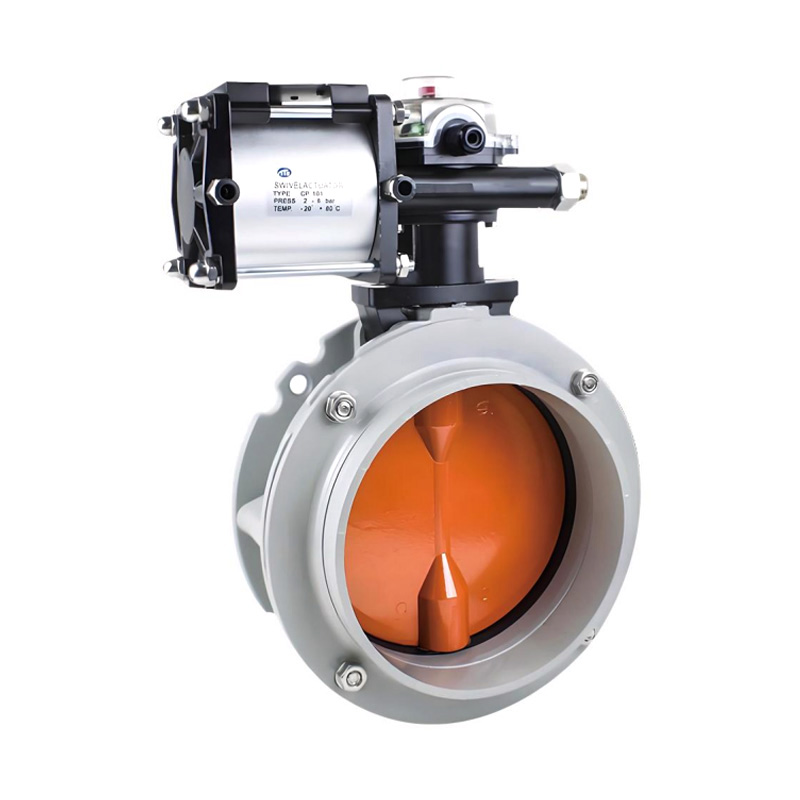
What a Dust Butterfly Valve Factory Produces
It manufactures valves for pneumatic conveying and gravity flow systems
A dust butterfly valve factory is a specialized production facility. One end of the production line starts with raw castings. The other end delivers finished valves with actuators, mounting brackets, and position indicators. The factory builds valves to specific pressure ratings and temperature ranges. Everything is tested. Everything is dimensionally verified.
The factory saves time for system integrators. The integrator orders the valve. They receive a pre‑assembled unit. They mount it in the pipeline. The system is ready. No retrofitting. No shimming.
It reduces installation errors
When you assemble valves from separate components, mistakes happen. An incorrect actuator bracket. A misaligned disc. A missing seal. A dust butterfly valve factory eliminates many of those errors. The valves are pre‑mounted. The flange hole patterns are consistent. The torque settings are documented.
What Goes into a Dust Butterfly Valve Factory’s Product
The valve body
Each body is a specific material and size. A dust butterfly valve factory uses the right alloy for each application. Cast iron for general service. Stainless steel for corrosive dust. Aluminium for lightweight systems. The body is machined to precise dimensional tolerances.
The disc and seal
The disc rotates to open or close the flow. The seal provides shut‑off. A dust butterfly valve factory matches the seal material to the dust type. EPDM for mild temperatures. Silicone for high heat. Nitrile for oil‑laden dust. The seal is replaceable. It is designed for field maintenance.
The actuator interface
The valve top has a mounting pad. The actuator bolts on. A dust butterfly valve factory offers multiple interface standards. ISO 5211. Namur. Custom drilling. The interface is machined accurately. The actuator aligns superbly.
Here is what a typical factory produces:
- Valves from 2 inches to 24 inches in diameter
- Bodies in cast iron, stainless steel, and aluminium
- Seals in EPDM, silicone, and nitrile
- Manual levers, gear operators, and pneumatic actuators
- Position indicators and limit switches
Where Products from a Dust Butterfly Valve Factory Get Used
Dust collection systems
Every dust collector has inlet and outlet valves. A dust butterfly valve factory supplies the isolation valves. The valves shut off hoppers. They divert airflow. They keep the system running.
Bulk material handling
Conveying lines need diverter valves. A dust butterfly valve factory provides the shut‑off valves. The valves handle cement, grain, plastic pellets, and minerals. They seal against fine powders. They do not jam.
Process ventilation
Ductwork requires control dampers. A dust butterfly valve factory manufactures the dampers. The valves regulate airflow. They isolate sections for maintenance.
What to Look for in a Dust Butterfly Valve Factory
The casting quality
The body must be free of porosity. A poor casting leaks. It cracks under pressure. A dust butterfly valve factory with good foundry control produces sound castings.
The machining accuracy
The flange faces must be flat. The bore must be concentric. A dust butterfly valve factory with CNC equipment holds tight tolerances. The valve mates correctly with pipeline flanges.
The seal design
The seal must compress evenly. It must resist abrasion. A dust butterfly valve factory with proven seal geometry ensures long service life. The seal is easy to replace.
The testing procedure
Every valve must be tested. Shell test. Seat test. Cycle test. A dust butterfly valve factory performs these tests. The test records are provided.
Here is what makes a good factory:
- Consistent casting quality
- Precision machining
- Durable seal materials
- Documented testing
Why Quality Matters
A poor valve causes problems
A leaking disc. A sticking shaft. A misaligned flange. The system does not seal. The maintenance team spends hours adjusting the valve. A dust butterfly valve factory that builds to standards avoids these issues.
A good factory saves time
The installer mounts the valve quickly. The connections are correct. The valve passes leak testing. A factory designed for production speeds up project delivery.
A good factory lasts
The body does not corrode. The seal does not wear prematurely. The actuator does not bind. A dust butterfly valve factory using quality materials produces valves that last for the life of the system.
A dust butterfly valve factory is a small part of the industrial supply chain. But it makes a big difference. It ensures reliable shut‑off. It speeds up installation. It reduces maintenance. It makes troubleshooting simpler. Choose a factory with sound castings, precise machining, and proper testing. Your systems will operate better. Your operators will be safer. That is the point of a dust butterfly valve factory. To make bulk handling reliable.
CATEGORY
Message Feedback
Copyright © Zhejiang Xiafeng Precision Die Casting Co., Ltd.
China Air Operated Double Diaphragm Pump
