 English
 русский
Sale Diaphragm Pump Castings
Home / Products

We are a professional manufacturing enterprise integrating specialized die casting, mold manufacturing, and R&D & design of products including pneumatic pistons, motor housings, diaphragm pump accessories, reducer accessories, amusement equipment accessories, auto parts, and metal crafts.
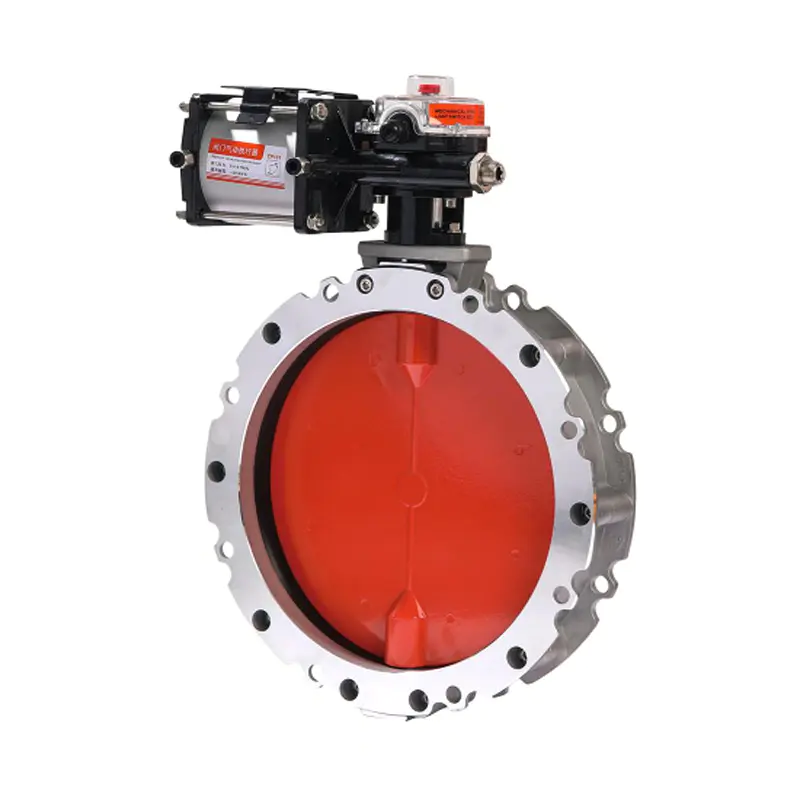
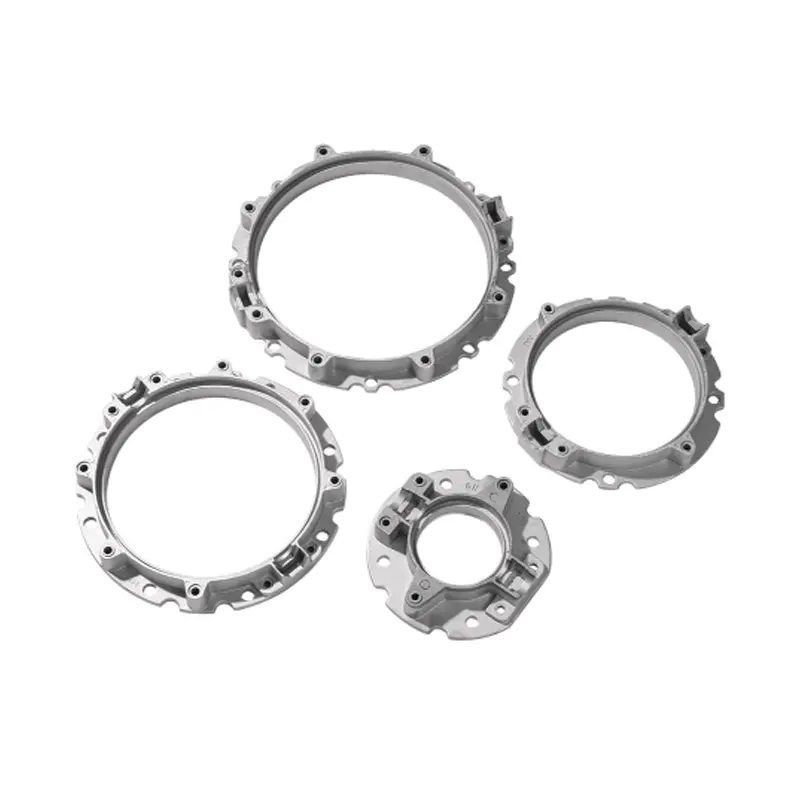

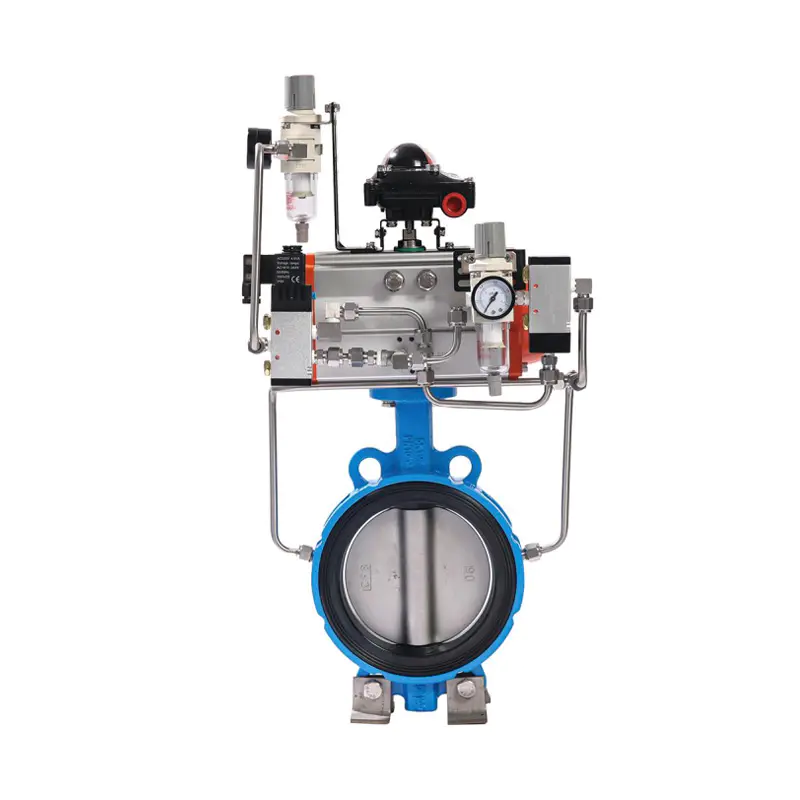
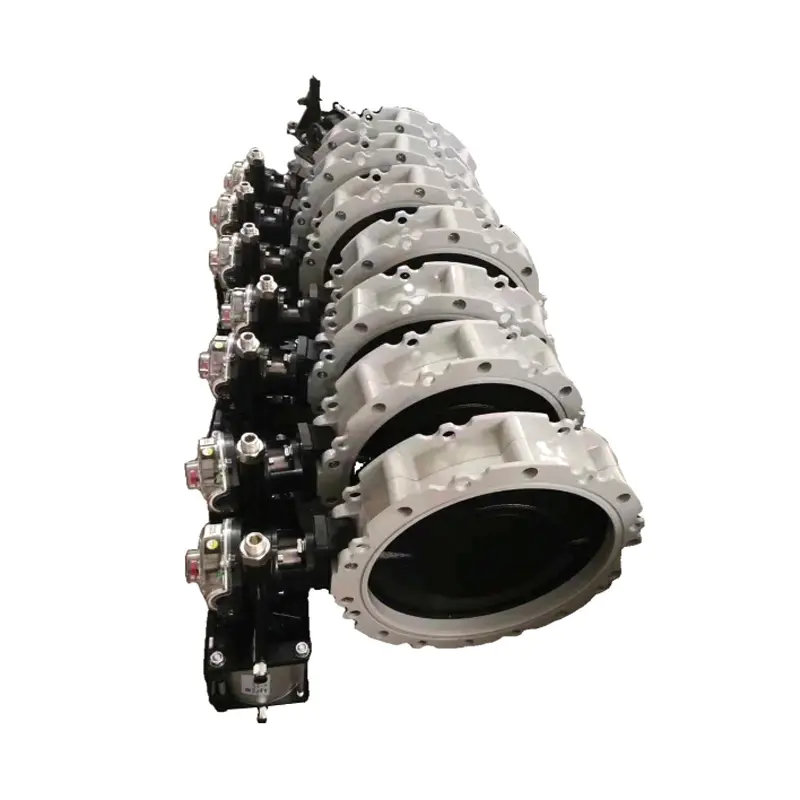
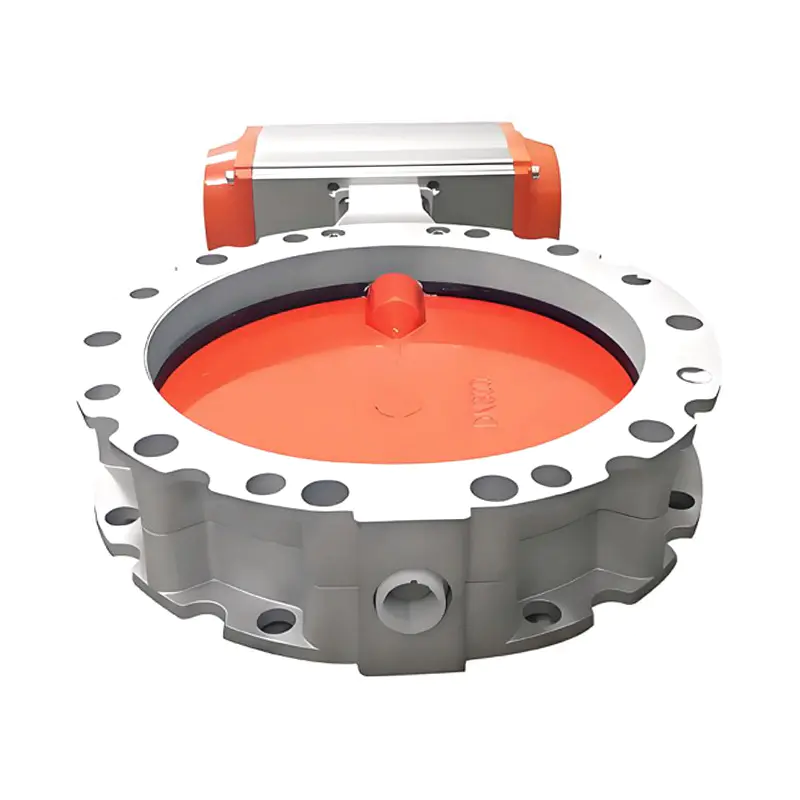
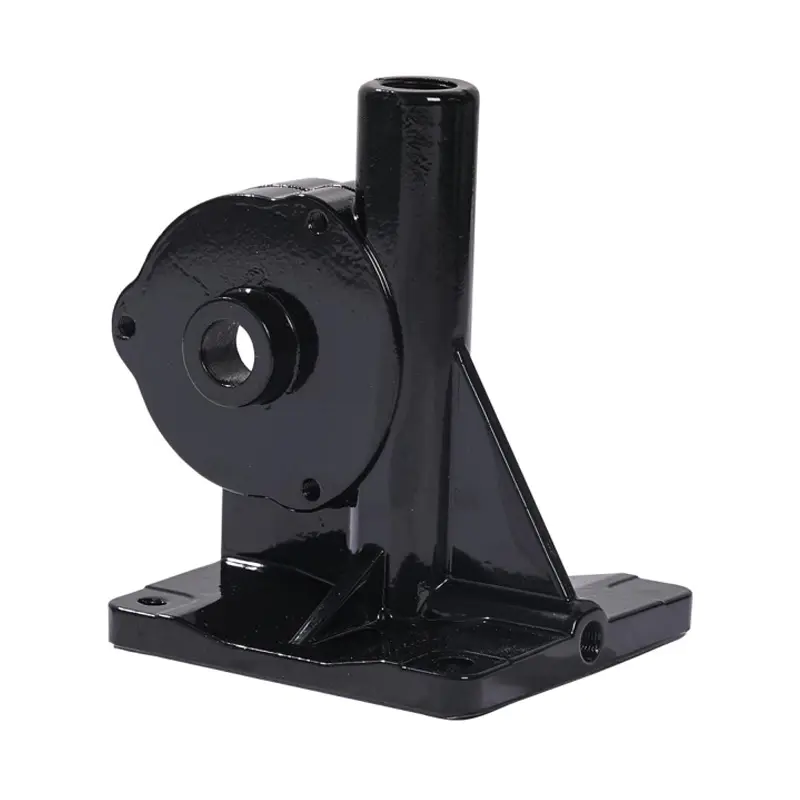
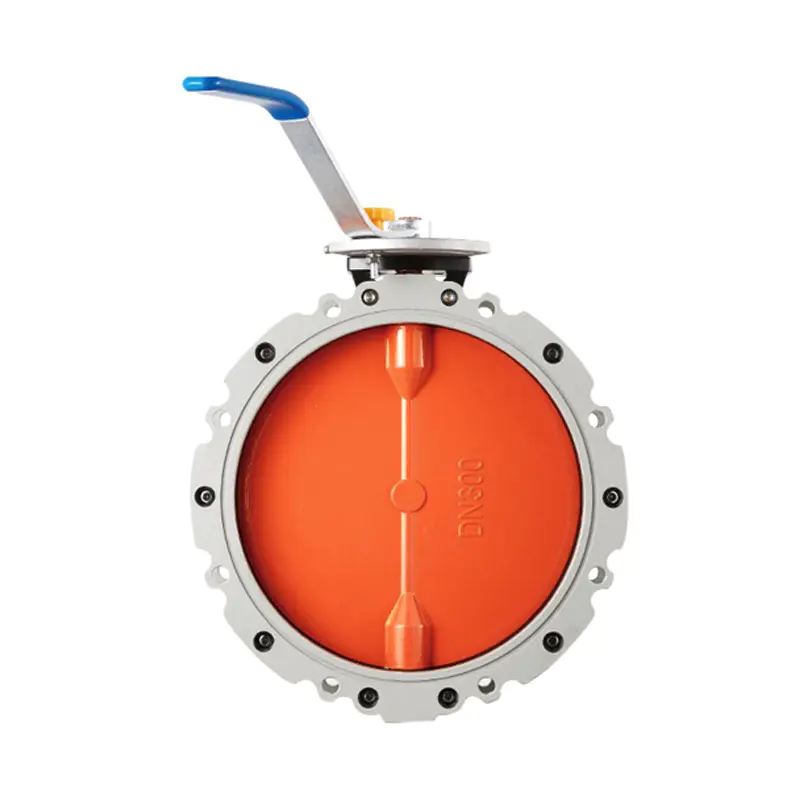
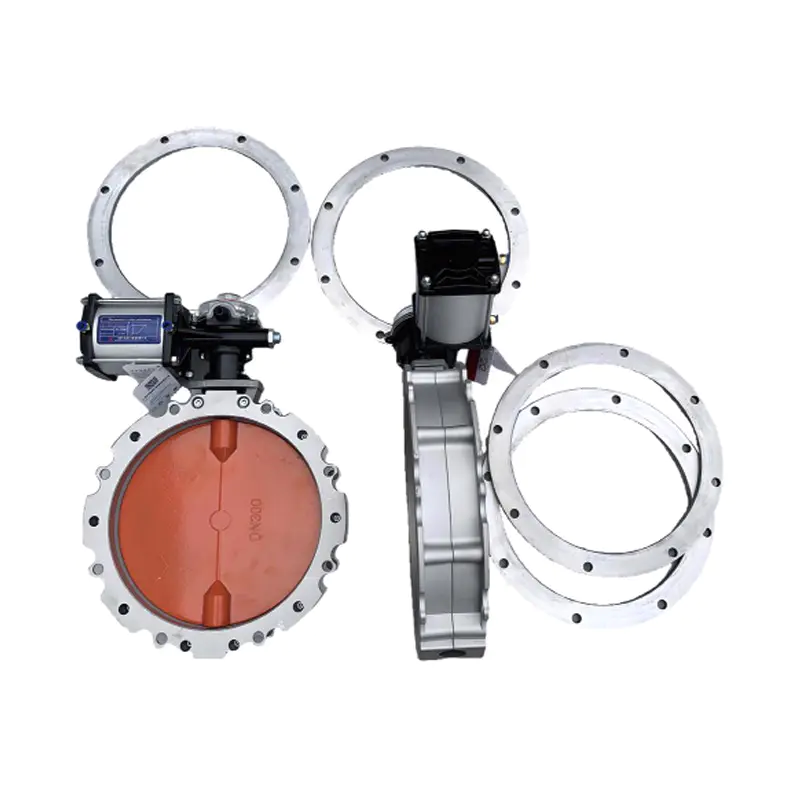
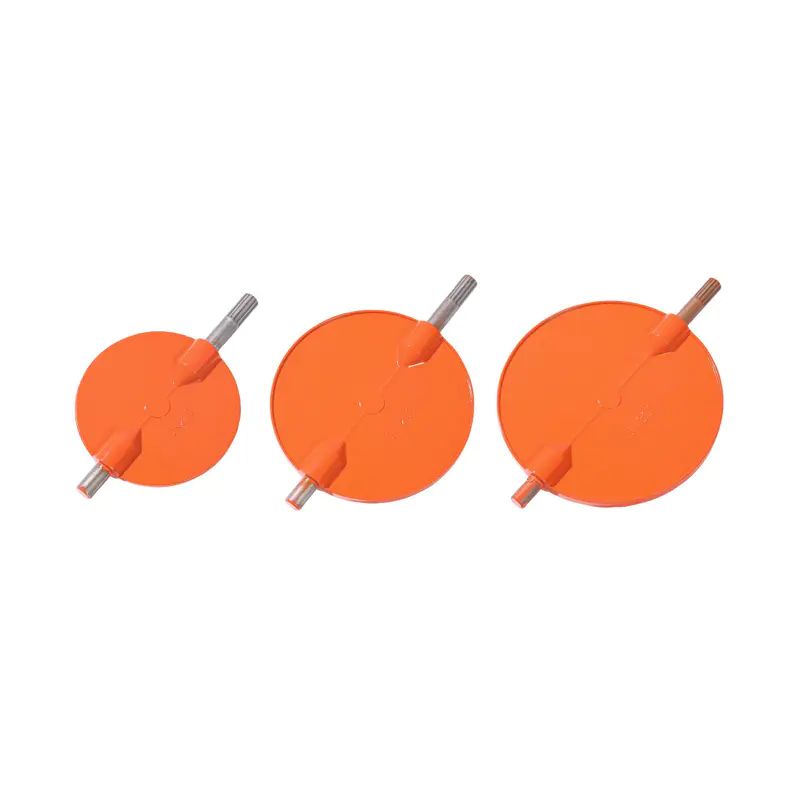

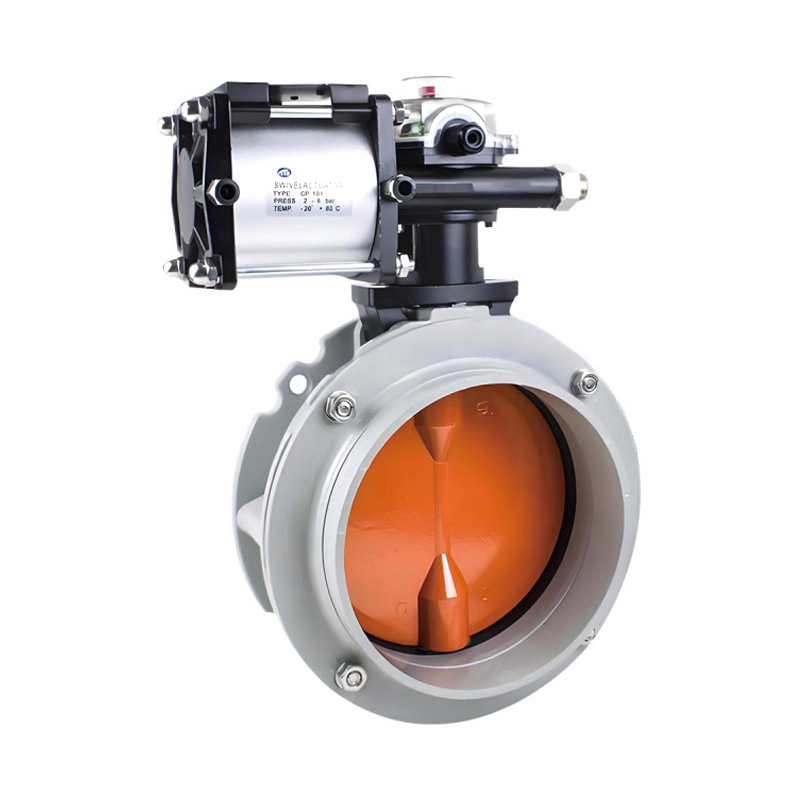
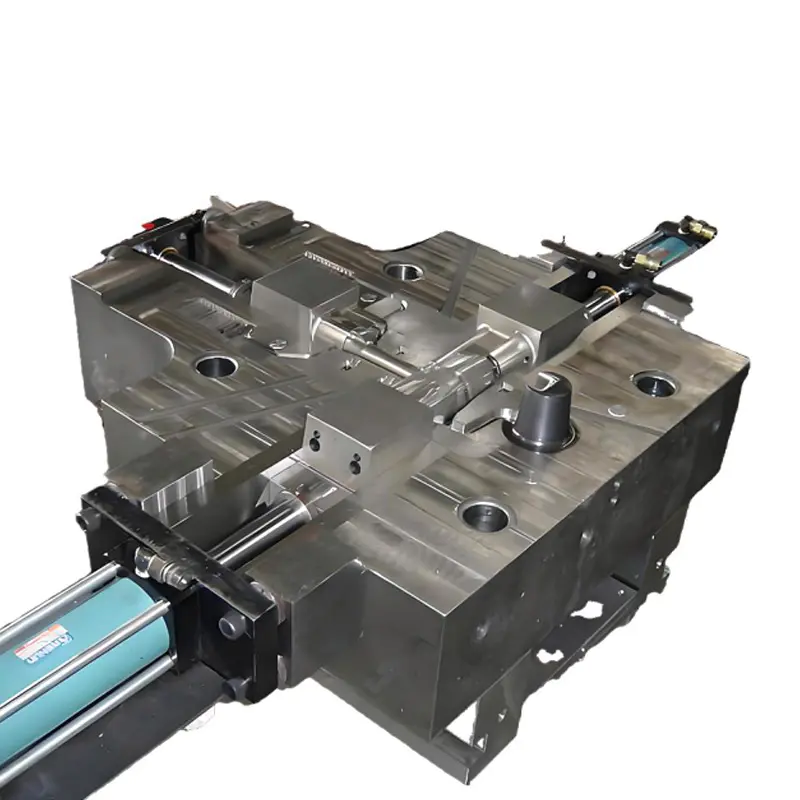
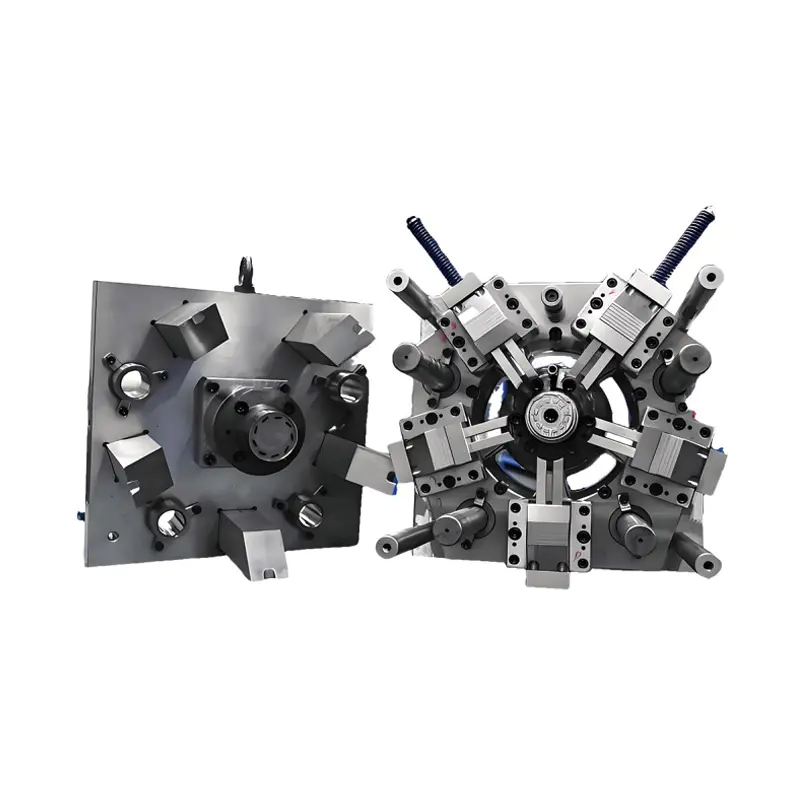
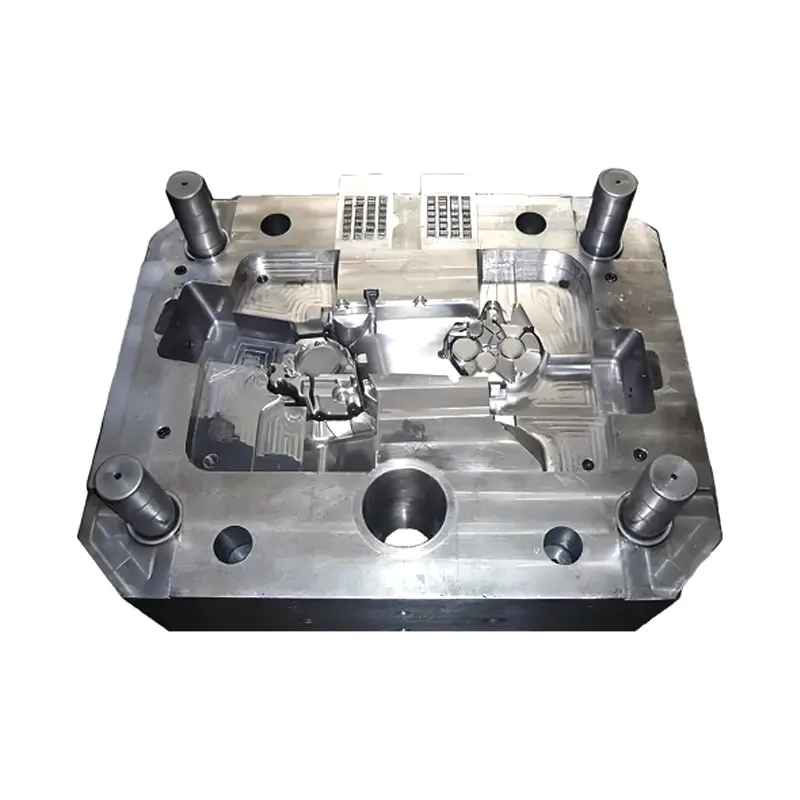

Zhejiang Xiafeng Precision Die Casting Co., Ltd. is a professional manufacturing enterprise specializing in precision die casting, mold manufacturing, and integrated R&D and design. Our product portfolio includes pneumatic pistons, motor housings, diaphragm pump accessories, reducer components, amusement equipment parts, automotive components, and metal crafts. Located in Wenxi, Qingtian, Lishui, Zhejiang, an area renowned as the "Hometown of Overseas Chinese", the company enjoys a prime geographical location and excellent transport links.
Established in 2015, the company occupies an area of over 20,000 square meters and employs more than 50 staff, including over 20 designers and R&D personnel. As a China Air Operated Diaphragm Pump suppliers and Wholesale Diaphragm Dosing Pump Castings factory, we offer end-to-end services ranging from mold design and production to product manufacturing, processing, and surface treatment, supported by rigorous quality management and optimized production processes. The facility features a well-planned layout, comprising die casting workshops, precision machining workshops, drilling workshops, shot blasting workshops, pressure testing workshops, grinding workshops, and automated production lines for welding and precision forging. With a monthly production capacity of 500 tons, we manufacture products ranging from 10 grams to 20 kilograms in weight.
Equipped with stringent production processes, a variety of intelligent manufacturing equipment, fully equipped standard workshops, and industry-leading testing laboratories, the company ensures the stability and durability of every product. To date, we have obtained over 20 product patents and copyright certificates, along with honors including "Trustworthy Operator," "AAA-Level Enterprise Credit," "Enterprise Recognized for ‘6S’ Management Improvement," "High-Tech Enterprise," "Leading Drafter of Group Standards," "Factory Digital Transformation Application," and "Zhejiang Provincial 'Specialized, Refined, Distinctive, and Innovative' Enterprise."
Amidst the industry’s rapid development, Xiafeng remains committed to the craftsman spirit. We have established strong cooperative partnerships with companies such as Kaiqi Group, Yucai Holding Group, Aike Mgke, and Zhejiang Zhanbo Diaphragm Pump, with our sales network covering the entire country. We are dedicated to providing high-quality after-sales services, including technical guidance and guaranteed supply of spare parts for all our clients.
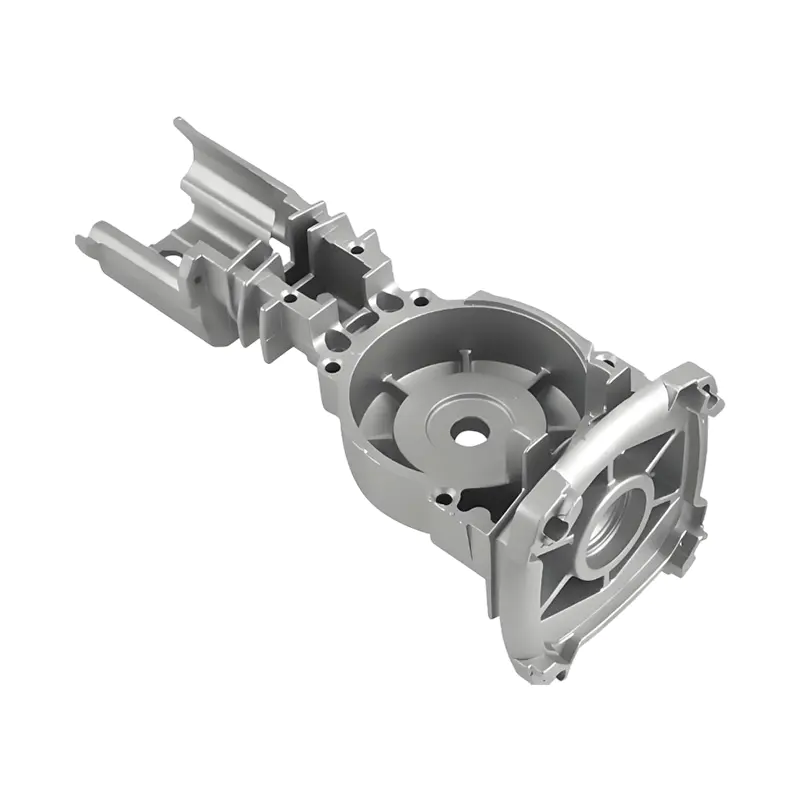
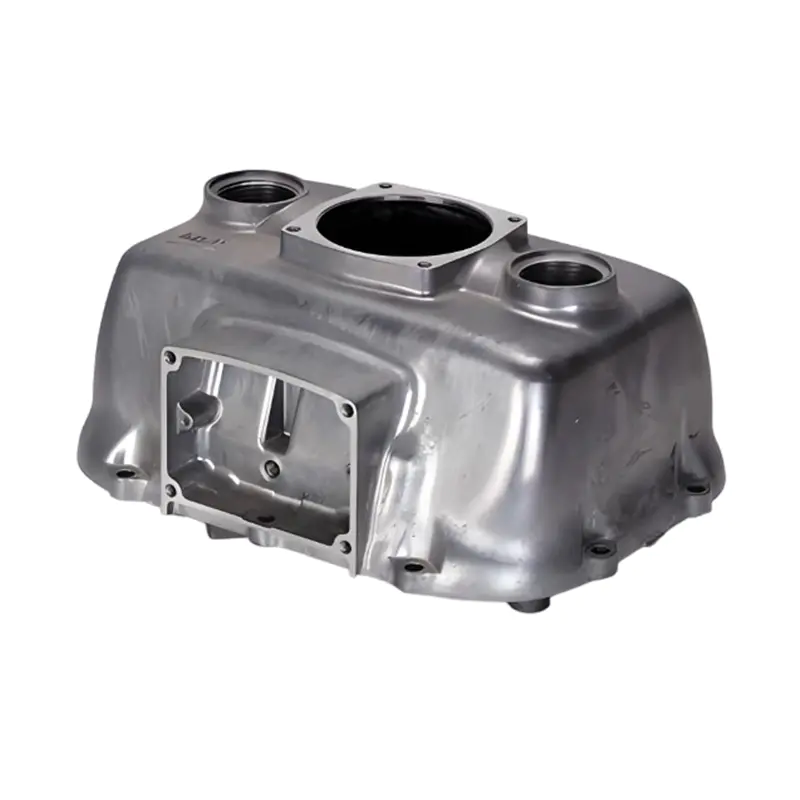
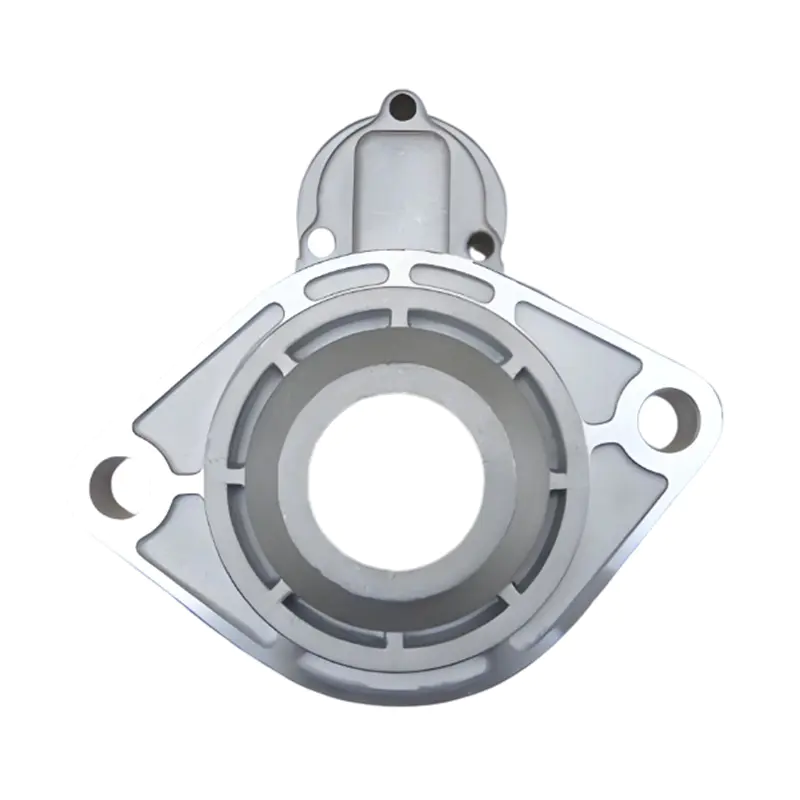
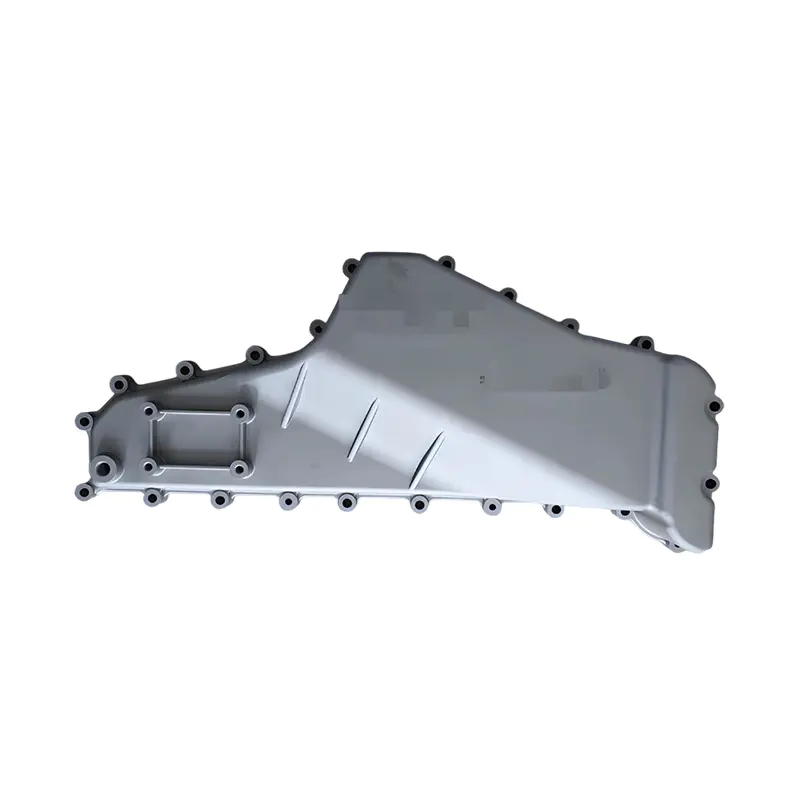
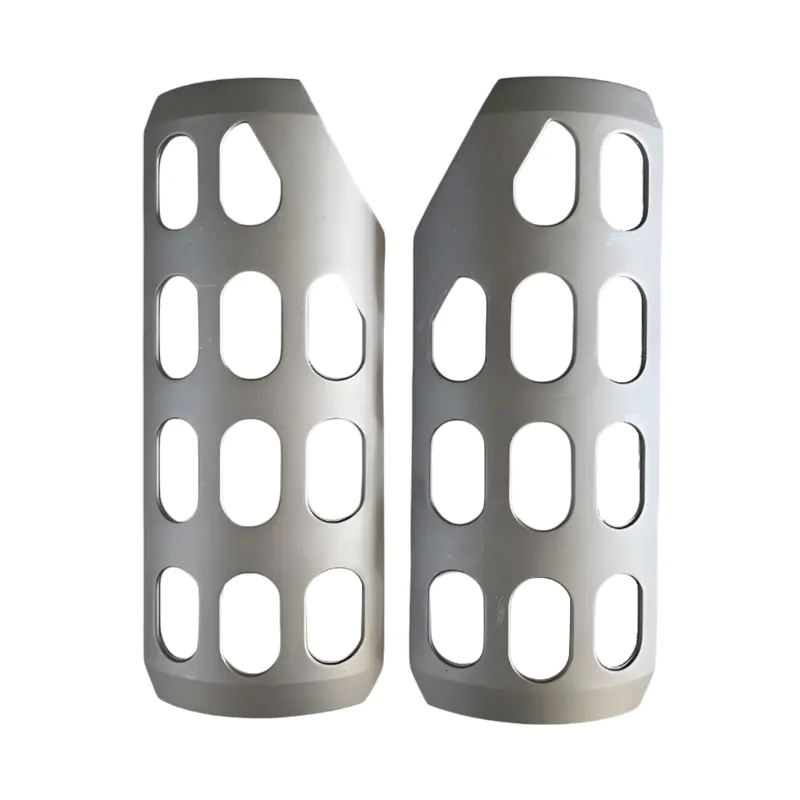
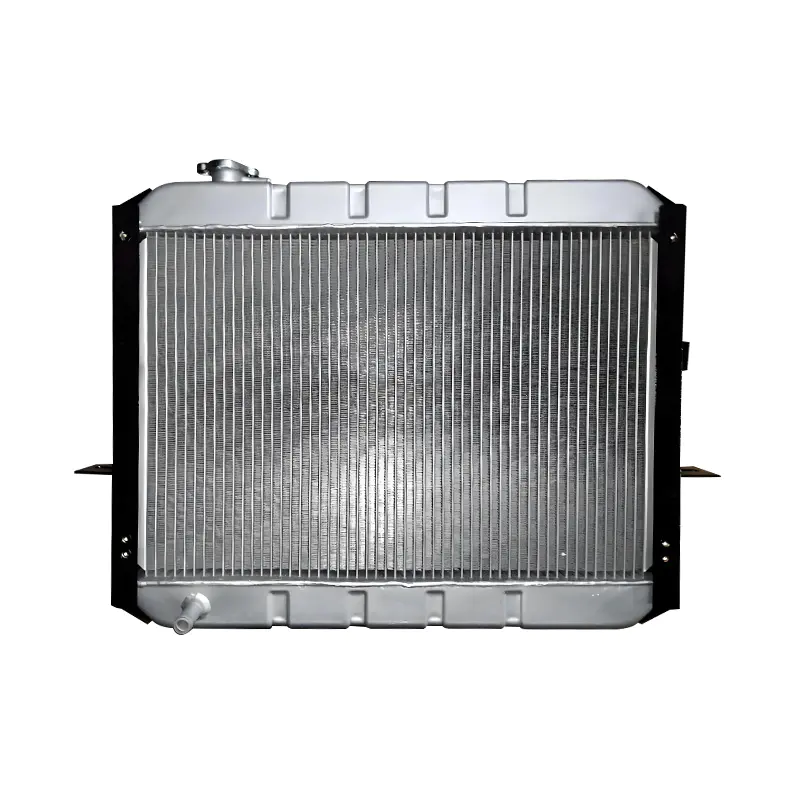
Diaphragm Pump Castings are the structural foundation of a diaphragm pump. They typically include the pump body, fluid chambers, manifolds, and connection ports, and are commonly produced using cast iron, ductile iron, aluminum alloys, or stainless steel, depending on operating conditions. The casting material directly influences corrosion resistance, mechanical strength, and compatibility with handled fluids.
From a practical perspective, the internal geometry of the casting plays a key role in flow stability. Smooth internal passages reduce turbulence and reduce areas where solids may accumulate. This is particularly important in applications involving slurries, powders mixed with liquids, or fluids containing fibrous particles. Poorly designed castings can increase wear on diaphragms and valves, even if those components are made from suitable elastomers.
Another factor is casting accuracy. Dimensional consistency ensures proper sealing between the diaphragm, valve seats, and housing surfaces. Inconsistent wall thickness or casting defects may cause stress concentration under cyclic pressure, which can shorten service intervals. For users, understanding casting material selection helps when matching pumps to chemical processes, abrasive fluids, or outdoor installations exposed to temperature variation.
An Air Operated Diaphragm Pump functions by using compressed air to alternately drive two diaphragms, creating suction and discharge cycles without electric motors or rotating shafts. This operating principle makes it suitable for environments where electrical equipment is restricted or where variable flow control is required without complex electronics.
One practical advantage is self-priming capability. These pumps can start pumping without pre-filling the suction line, which is useful in intermittent transfer tasks or tank unloading operations. In addition, air-driven operation allows flow rate adjustment simply by regulating air pressure or volume, offering flexibility in production lines with changing throughput requirements.
From a maintenance viewpoint, the absence of mechanical seals reduces leakage risks when handling aggressive or volatile fluids. However, air quality should not be overlooked. Moisture or contaminants in compressed air can affect valve operation and diaphragm movement. Installing air filters and pressure regulators helps maintain consistent performance.
Air Operated Diaphragm Pump designs are widely used in chemical transfer, coatings, wastewater treatment, and bulk material handling. Their ability to run dry for short periods without damage also provides operational tolerance during process fluctuations.
A Diaphragm Dosing Pump focuses on precise volume control rather than bulk transfer. It is engineered to deliver a defined amount of liquid per stroke, making it suitable for applications where accurate chemical addition is required, such as water treatment, pharmaceutical processing, or laboratory systems.
The core function relies on a flexible diaphragm actuated mechanically or hydraulically. Unlike air-operated designs, dosing pumps are often driven by electric motors combined with cam or solenoid mechanisms. This allows fine adjustment of stroke length or frequency, enabling consistent dosing over extended periods.
Material compatibility remains essential. Diaphragms and wetted parts must withstand chemical exposure without deformation, as even small changes can affect dosing accuracy. Users should also consider pulsation control. Although diaphragm motion inherently creates pulsating flow, accessories such as pulsation dampeners help stabilize downstream pressure.
In real-world use, calibration is an ongoing requirement. Flow rates may vary due to fluid viscosity changes or system back pressure. Routine verification ensures the pump continues to meet process specifications, especially in regulated industries.
Across these three topics, a common theme emerges: understanding the intended function and structural design cause more informed equipment choices. Diaphragm Pump Castings determine durability and compatibility, Air Operated Diaphragm Pump systems address flexible and safe fluid transfer, while Diaphragm Dosing Pump solutions prioritize controlled and repeatable chemical delivery. Evaluating actual operating conditions, fluid characteristics, and maintenance expectations allows these technologies to be applied effectively without unnecessary complexity.
Copyright © Zhejiang Xiafeng Precision Die Casting Co., Ltd.
Diaphragm Dosing Pump
