 English
 русский
Custom Car Parts in China
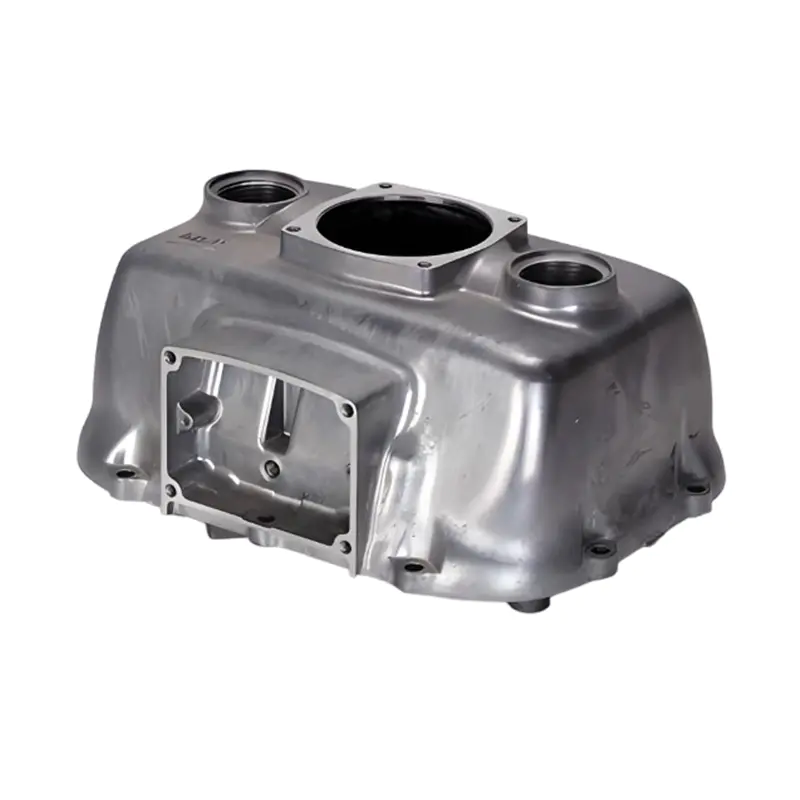
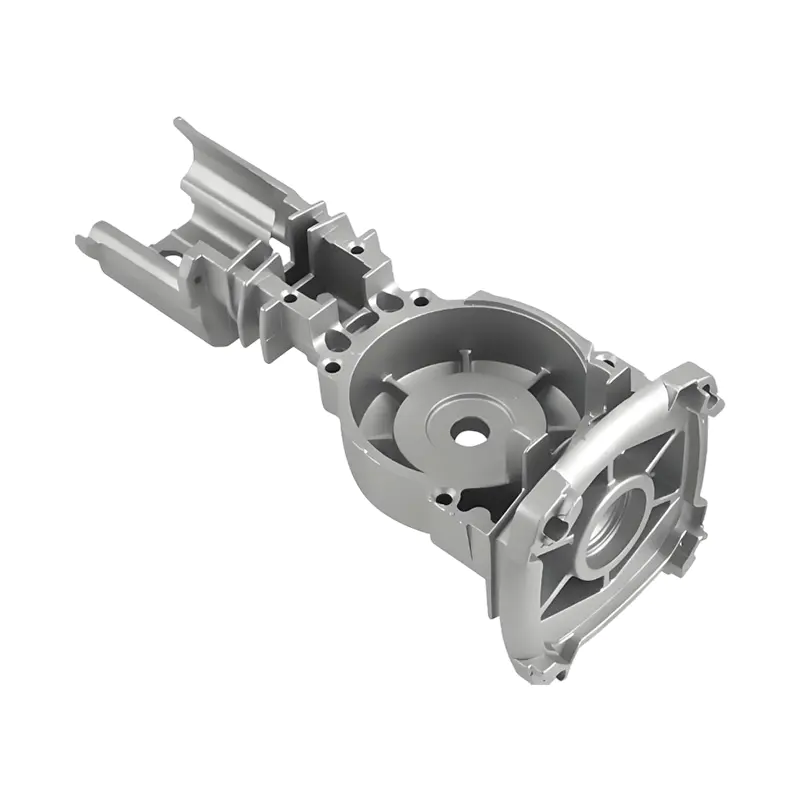
Xiafeng Custom Car Parts is dedicated to supplying high-quality, performance-enhancing components for a wide range of vehicle brands, covering braking systems, suspension systems, exhaust systems, and engine cooling. Our parts are crafted with advanced materials and precision engineering, balancing safety with dynamic performance so that driving feels more stable and responsive. With flexible low-volume production and rapid prototyping, Xiafeng supports everything from early concept validation to full-scale manufacturing. Our parts aren’t just functional — they reflect the individual style and high-performance aspirations of discerning automotive enthusiasts.


Zhejiang Xiafeng Precision Die Casting Co., Ltd.
Zhejiang Xiafeng Precision Die Casting Co., Ltd. is a professional manufacturing enterprise specializing in precision die casting, mold manufacturing, and integrated R&D and design. Our product portfolio includes pneumatic pistons, motor housings, diaphragm pump accessories, reducer components, amusement equipment parts, automotive components, and metal crafts. Located in Wenxi, Qingtian, Lishui, Zhejiang, an area renowned as the "Hometown of Overseas Chinese", the company enjoys a prime geographical location and excellent transport links.
Established in 2015, the company occupies an area of over 20,000 square meters and employs more than 50 staff, including over 20 designers and R&D personnel. As a China Custom Car Parts suppliers and Wholesale Custom Car Parts factory, we offer end-to-end services ranging from mold design and production to product manufacturing, processing, and surface treatment, supported by rigorous quality management and optimized production processes. The facility features a well-planned layout, comprising die casting workshops, precision machining workshops, drilling workshops, shot blasting workshops, pressure testing workshops, grinding workshops, and automated production lines for welding and precision forging. With a monthly production capacity of 500 tons, we manufacture products ranging from 10 grams to 20 kilograms in weight.
Equipped with stringent production processes, a variety of intelligent manufacturing equipment, fully equipped standard workshops, and industry-leading testing laboratories, the company ensures the stability and durability of every product. To date, we have obtained over 20 product patents and copyright certificates, along with honors including "Trustworthy Operator," "AAA-Level Enterprise Credit," "Enterprise Recognized for ‘6S’ Management Improvement," "High-Tech Enterprise," "Leading Drafter of Group Standards," "Factory Digital Transformation Application," and "Zhejiang Provincial 'Specialized, Refined, Distinctive, and Innovative' Enterprise."
Amidst the industry’s rapid development, Xiafeng remains committed to the craftsman spirit. We have established strong cooperative partnerships with companies such as Kaiqi Group, Yucai Holding Group, Aike Mgke, and Zhejiang Zhanbo Diaphragm Pump, with our sales network covering the entire country. We are dedicated to providing high-quality after-sales services, including technical guidance and guaranteed supply of spare parts for all our clients.
Related Products
News
-
Vehicle weight influences nearly every aspect of performance, from fuel consumption and handling balance to braking response and component wear. Automotive Aluminum Parts and the Gearbox Reducer G Ser...READ MORE
-
Automotive Aluminum Parts and the Gearbox Reducer G Series are increasingly integrated into modern vehicle platforms where thermal control, structural weight, and drivetrain coordination all influence...READ MORE
-
Reducing equipment weight has become a practical concern in many industrial fluid handling and material transfer systems. This trend is visible not only in pump selection but also in the associated fl...READ MORE
-
Designing particulate pipeline systems often involves balancing material behavior, equipment compatibility, and operational control. When Aluminum Alloy Diaphragm Pump Casting components are part of m...READ MORE
Message Feedback
Custom Car Parts Industry knowledge
How Do Automotive Aluminum Parts Improve Vehicle Efficiency?
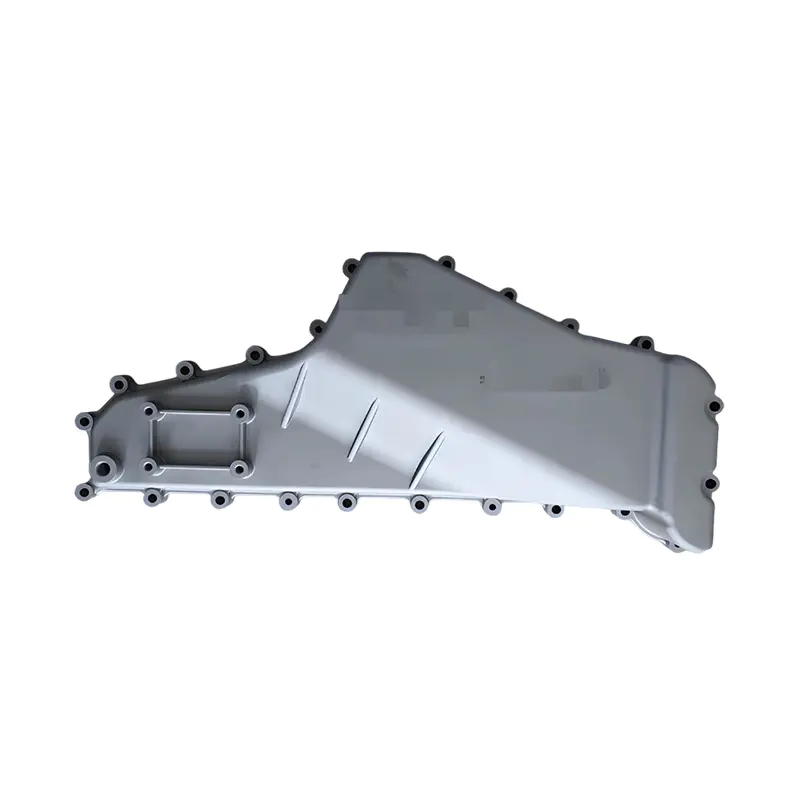
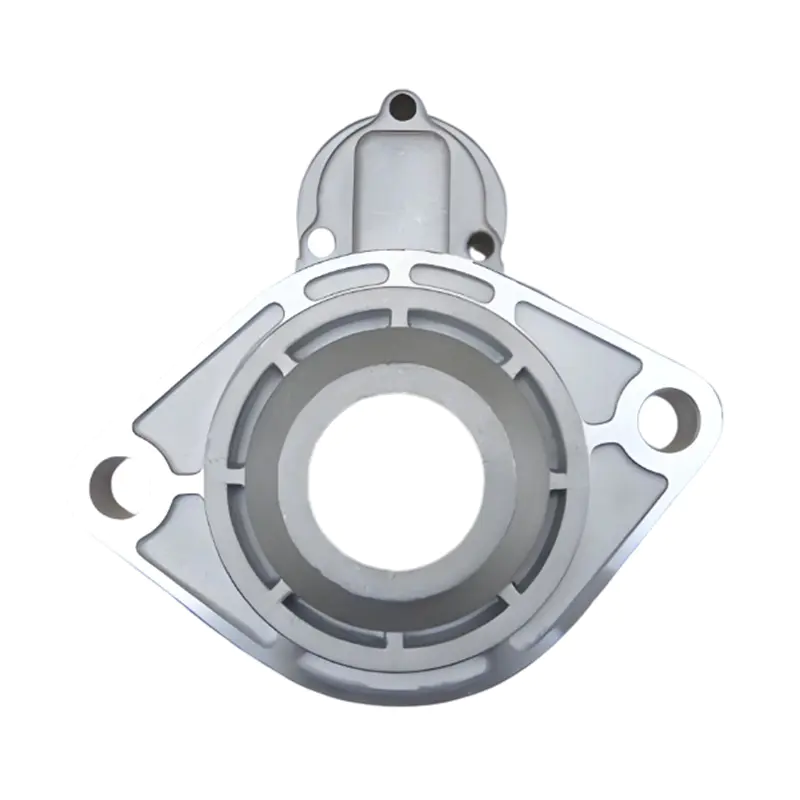
Automotive Aluminum Parts are widely used in structural and functional components due to their combination of light weight, corrosion resistance, and mechanical strength. Components such as engine blocks, suspension arms, wheel hubs, and body panels benefit from aluminum’s ability to reduce overall vehicle weight, which improves fuel efficiency and handling dynamics.
From a production standpoint, aluminum allows for complex shapes through casting, extrusion, and forging processes. These manufacturing methods provide flexibility in design while maintaining sufficient structural integrity for high-stress applications. Engineers must consider alloy selection carefully, balancing tensile strength, fatigue resistance, and machinability to ensure parts withstand operational loads over time.
Another consideration is corrosion protection. While aluminum naturally forms a protective oxide layer, additional coatings or anodizing may be applied to enhance longevity in harsh environments. Regular inspection and proper joining techniques, such as riveting or adhesive bonding, are also important to maintain mechanical performance and prevent galvanic corrosion when aluminum interfaces with other metals.
Why Are Custom Car Parts Increasingly Popular?
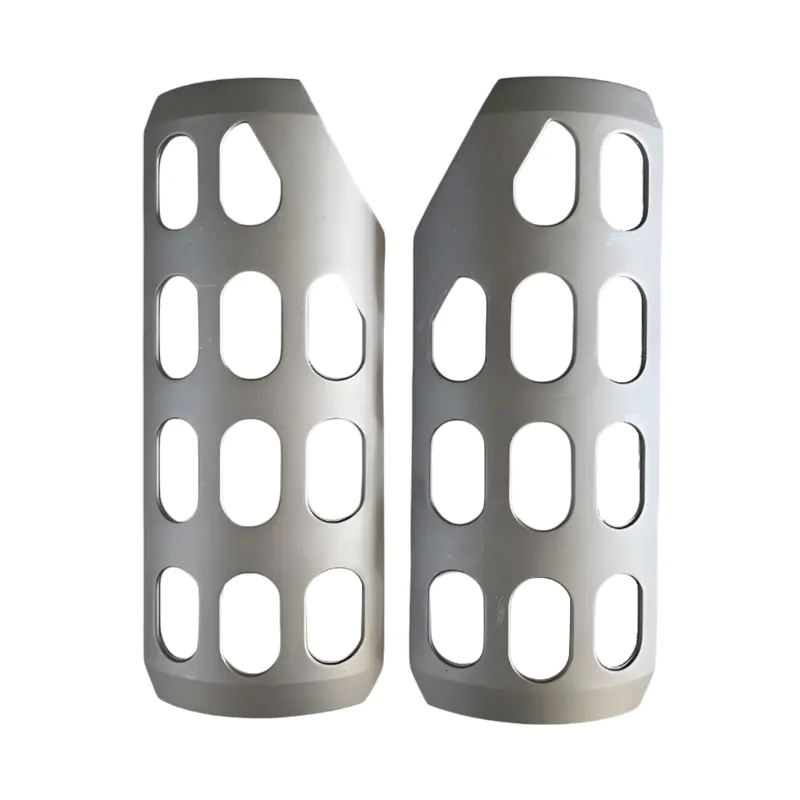
Custom Car Parts address the growing demand for personalization and performance optimization in vehicles. These components may include suspension upgrades, brake systems, engine modifications, or interior and exterior enhancements. Customization often requires careful material selection, engineering validation, and adherence to safety standards.
Aluminum is frequently chosen for custom components because of its light weight and machinability, which allows precise adaptation to unique designs. For example, custom engine brackets or performance-oriented intake manifolds can be manufactured with tight tolerances and specific alloy properties to handle stress and thermal conditions.
From a practical perspective, custom parts also involve compatibility with existing systems. Installation procedures, alignment requirements, and load distribution must be carefully evaluated. Users often face challenges when replacing standard parts with custom versions, and consulting technical specifications or engineering guidance ensures that modifications do not compromise safety or system integrity.
How Does an Aluminium Car Radiator Enhance Cooling?
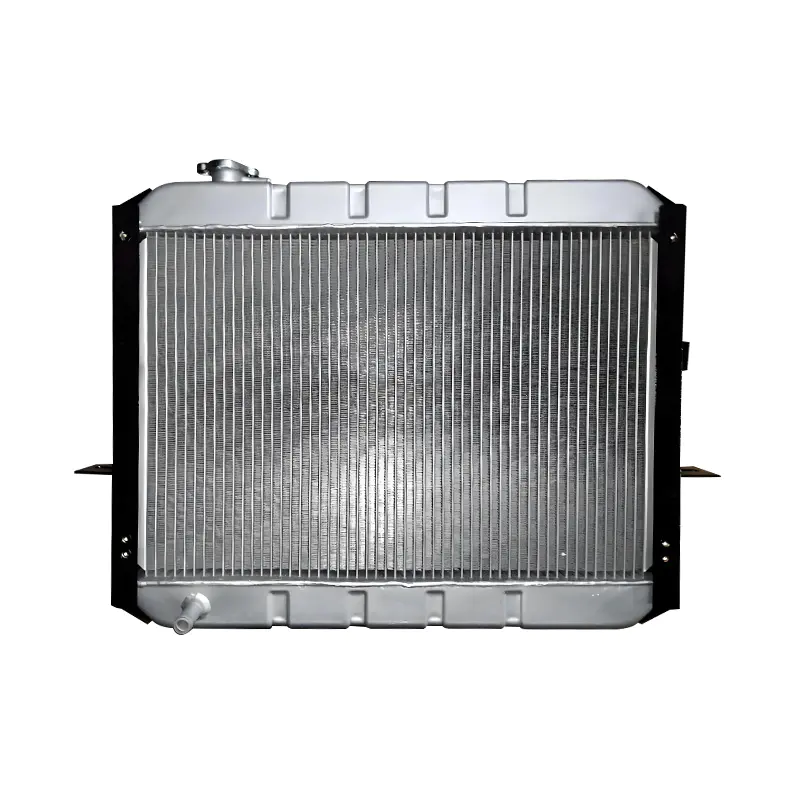
An Aluminium Car Radiator plays a critical role in engine thermal management by transferring heat from the coolant to the air passing through the radiator fins. Aluminum is preferred for radiator construction because of its high thermal conductivity, light weight, and resistance to corrosion.
The radiator consists of a core of aluminum tubes and fins, connected to tanks at the ends. Coolant flows through the tubes while air movement across the fins removes heat efficiently. This design allows engines to operate within suitable temperature ranges, improving fuel efficiency, reducing emissions, and extending component life.
Practical considerations include material thickness, fin density, and joint integrity. Radiators must withstand pressure cycles and thermal expansion without leakage. Maintenance involves monitoring coolant quality, inspecting for corrosion or blockages, and ensuring that airflow is not obstructed by debris. Performance improvements can be achieved by optimizing airflow paths or enhancing fin geometry, particularly in high-performance or heavy-duty vehicles.
These components highlight how aluminum contributes to modern vehicle design and performance. Automotive Aluminum Parts reduce weight and support structural integrity, Custom Car Parts allow tailored performance and aesthetics, and Aluminium Car Radiator systems ensure effective engine cooling. Understanding material properties, manufacturing methods, and operational requirements enables engineers and vehicle users to apply these components effectively, balancing performance, durability, and efficiency across diverse automotive applications.
Copyright © Zhejiang Xiafeng Precision Die Casting Co., Ltd.
Aluminium Car Radiator
