 English
 русский
Multi-Turn Electric Actuator Company
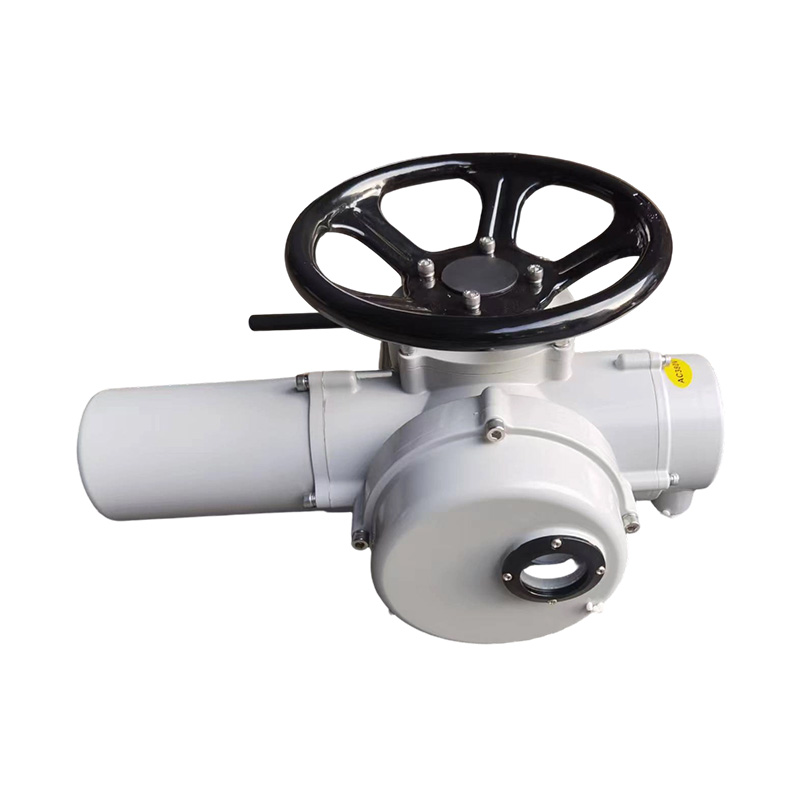
Our electric actuator is an advanced device that efficiently converts electrical energy into mechanical motion via its built-in motor, enabling precise control of valve stems or shafts in industrial systems. It supports various control signals—such as 4-20 mA or 0-10 V—and allows for both remote modulation and on/off switching, offering flexible automation capabilities. In addition, the actuator features thermal protection and internal limit switches: if it detects overload or overheating, it will stop immediately to safeguard the system. With its precision gearbox and high torque output, this actuator performs reliably even in harsh environments, making it an ideal solution for modern industrial control, power generation, chemical processing, and water treatment applications.


Zhejiang Xiafeng Precision Die Casting Co., Ltd.
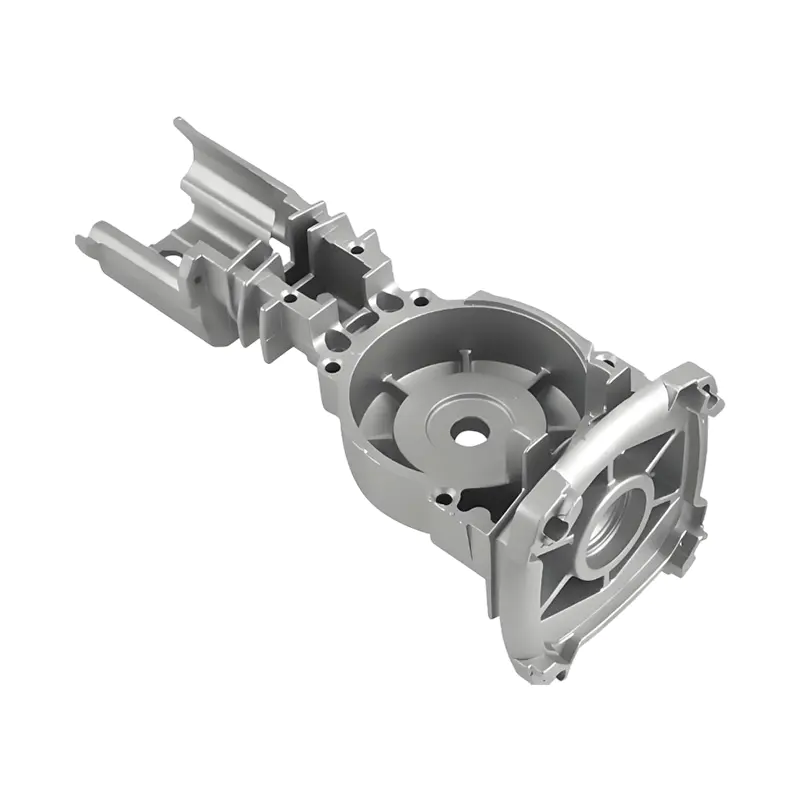
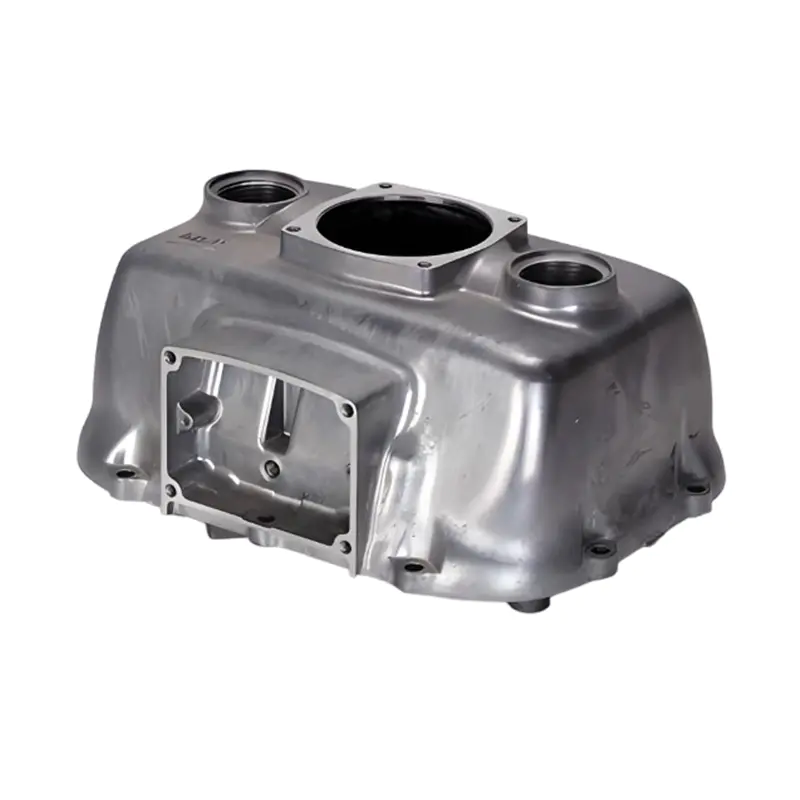
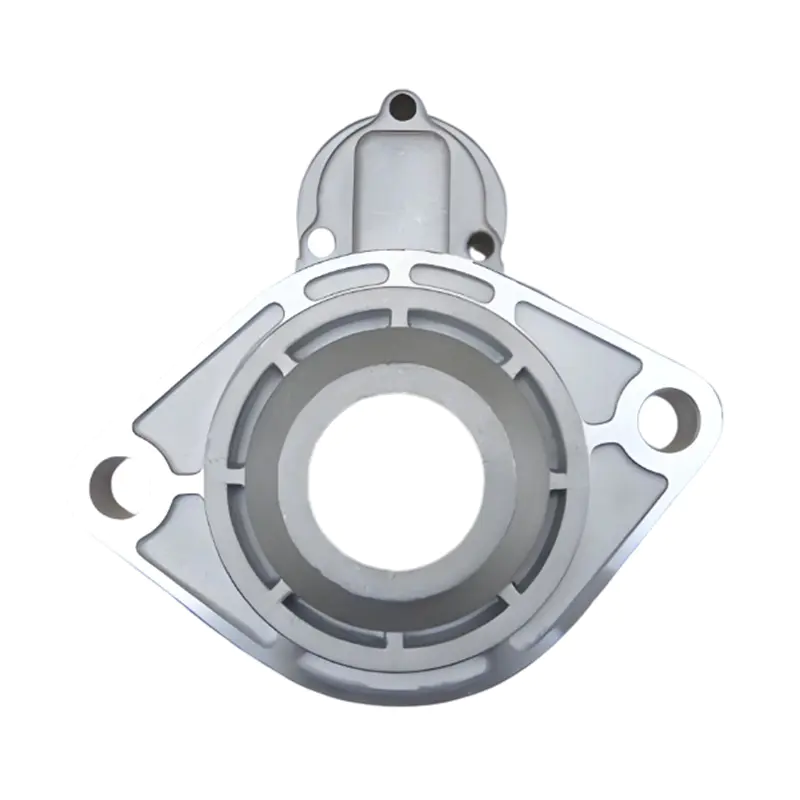
Zhejiang Xiafeng Precision Die Casting Co., Ltd. is a professional manufacturing enterprise specializing in precision die casting, mold manufacturing, and integrated R&D and design. Our product portfolio includes pneumatic pistons, motor housings, diaphragm pump accessories, reducer components, amusement equipment parts, automotive components, and metal crafts. Located in Wenxi, Qingtian, Lishui, Zhejiang, an area renowned as the "Hometown of Overseas Chinese", the company enjoys a prime geographical location and excellent transport links.
Established in 2015, the company occupies an area of over 20,000 square meters and employs more than 50 staff, including over 20 designers and R&D personnel. As a China Electric Actuators suppliers and Wholesale Electric Actuators factory, we offer end-to-end services ranging from mold design and production to product manufacturing, processing, and surface treatment, supported by rigorous quality management and optimized production processes. The facility features a well-planned layout, comprising die casting workshops, precision machining workshops, drilling workshops, shot blasting workshops, pressure testing workshops, grinding workshops, and automated production lines for welding and precision forging. With a monthly production capacity of 500 tons, we manufacture products ranging from 10 grams to 20 kilograms in weight.
Equipped with stringent production processes, a variety of intelligent manufacturing equipment, fully equipped standard workshops, and industry-leading testing laboratories, the company ensures the stability and durability of every product. To date, we have obtained over 20 product patents and copyright certificates, along with honors including "Trustworthy Operator," "AAA-Level Enterprise Credit," "Enterprise Recognized for ‘6S’ Management Improvement," "High-Tech Enterprise," "Leading Drafter of Group Standards," "Factory Digital Transformation Application," and "Zhejiang Provincial 'Specialized, Refined, Distinctive, and Innovative' Enterprise."
Amidst the industry’s rapid development, Xiafeng remains committed to the craftsman spirit. We have established strong cooperative partnerships with companies such as Kaiqi Group, Yucai Holding Group, Aike Mgke, and Zhejiang Zhanbo Diaphragm Pump, with our sales network covering the entire country. We are dedicated to providing high-quality after-sales services, including technical guidance and guaranteed supply of spare parts for all our clients.
Related Products
News
-
Vehicle weight influences nearly every aspect of performance, from fuel consumption and handling balance to braking response and component wear. Automotive Aluminum Parts and the Gearbox Reducer G Ser...READ MORE
-
Automotive Aluminum Parts and the Gearbox Reducer G Series are increasingly integrated into modern vehicle platforms where thermal control, structural weight, and drivetrain coordination all influence...READ MORE
-
Reducing equipment weight has become a practical concern in many industrial fluid handling and material transfer systems. This trend is visible not only in pump selection but also in the associated fl...READ MORE
-
Designing particulate pipeline systems often involves balancing material behavior, equipment compatibility, and operational control. When Aluminum Alloy Diaphragm Pump Casting components are part of m...READ MORE
Message Feedback
Electric Actuators Industry knowledge
What Is the Core Role of Electric Actuator?
An Electric Actuator converts electrical energy into mechanical motion to operate equipment such as valves, louvers, gates, or positioning mechanisms. Unlike pneumatic or hydraulic actuators, it relies on an electric motor combined with gears, control electronics, and limit systems to produce controlled movement.
From a functional perspective, electric actuators are valued for precise positioning and ease of integration with control systems. They can be connected directly to PLCs, DCS platforms, or local controllers, allowing remote operation and feedback. Position indication, torque monitoring, and fault signaling are often built into the actuator design.
In practical use, selection starts with understanding load requirements, duty cycle, and environmental conditions. Electric actuators are commonly used where compressed air or hydraulic infrastructure is unavailable or where clean operation is required. However, users should consider protection ratings, ambient temperature limits, and power supply stability to avoid performance issues over time.
How Does an Electric Rotary Actuator Control Motion?
An Electric Rotary Actuator is designed to produce rotational movement, typically within a limited angle such as 90° or 180°. This motion profile makes it suitable for quarter-turn valves like butterfly valves, ball valves, and plug valves.
Internally, the actuator uses a motor and reduction gearbox to generate torque and control rotation speed. Position limits are set electronically or mechanically to ensure accurate open and close positions. Compared with linear actuators, rotary designs offer compact installation and straightforward coupling to valve stems.
A common application question involves torque sizing. Rotary actuators must overcome not only valve operating torque but also friction, pressure differentials, and potential buildup on sealing surfaces. Underestimating torque can result in incomplete valve movement or increased wear. Users should also consider cycling frequency, as repeated start-stop operation affects motor heating and gearbox loading.
When Is a Multi-Turn Electric Actuator Required?
A Multi-Turn Electric Actuator is used when equipment requires multiple rotations of the output shaft rather than limited-angle movement. This design is commonly applied to gate valves, globe valves, sluice gates, and other devices where linear motion is achieved through threaded stems.
These actuators convert motor rotation into extended mechanical travel, allowing precise control over valve position across a wide stroke range. Position feedback is typically provided through encoders or potentiometers, enabling accurate monitoring of valve opening percentage.
In practice, users should pay close attention to thrust requirements and stem compatibility. Multi-turn operation introduces axial loads that must be supported by bearings and structural components. Improper matching between actuator output and valve stem design can cause uneven wear or alignment issues. Additionally, travel limits and torque protection settings must be adjusted carefully to prevent mechanical overload during seating.
What Makes a Heavy Duty Electric Actuator Different?
A Heavy Duty Electric Actuator is characterized by reinforced construction intended for high loads, demanding duty cycles, or harsh environments. While it may be rotary or multi-turn in function, its defining feature is mechanical robustness rather than movement type.
Such actuators often include larger motors, strengthened gear trains, and enhanced thermal management. These features support continuous operation, higher torque output, and resistance to vibration or shock. They are commonly used in power generation, mining, bulk material handling, and large-scale process industries.
Installation planning is particularly important. Increased size and weight require proper mounting structures and alignment. Maintenance strategies should also account for operating conditions such as dust, moisture, or temperature fluctuations, which influence inspection intervals and component lifespan.
Looking across these actuator categories, it becomes clear that electric actuation is not a single solution but a range of designs tailored to specific motion and load demands. Electric Actuator systems provide general-purpose automation, Electric Rotary Actuator models address controlled angular movement, Multi-Turn Electric Actuator designs support extended travel applications, and Heavy Duty Electric Actuator configurations handle demanding industrial workloads. By evaluating movement requirements, environmental factors, and control integration needs together, users can apply these technologies in a way that supports stable operation and predictable maintenance over time.
Copyright © Zhejiang Xiafeng Precision Die Casting Co., Ltd.
Heavy Duty Electric Actuator
