 English
 русский
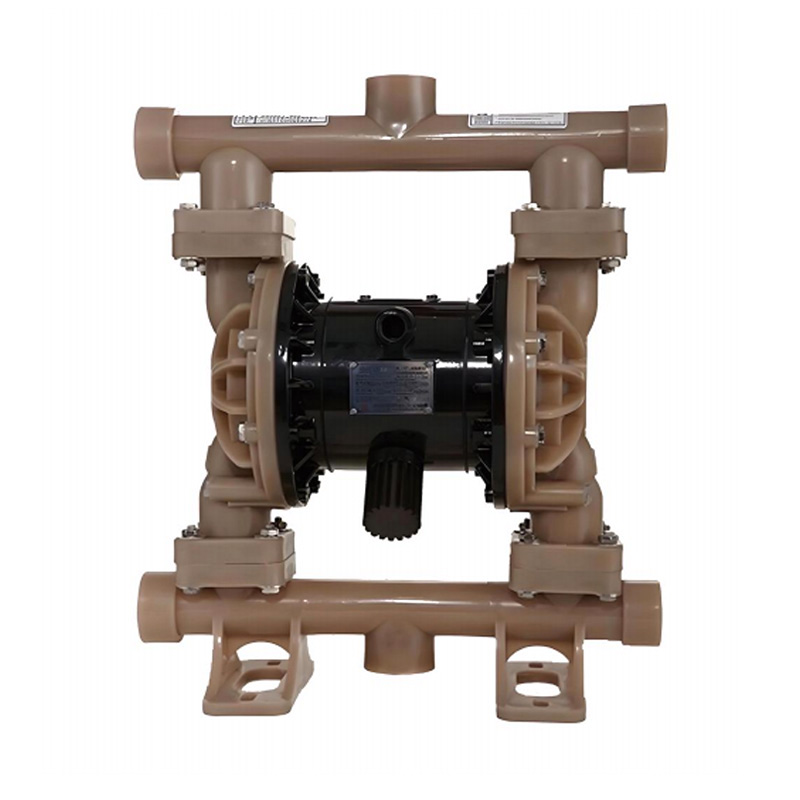
Wholesale Plastic Diaphragm Pumps
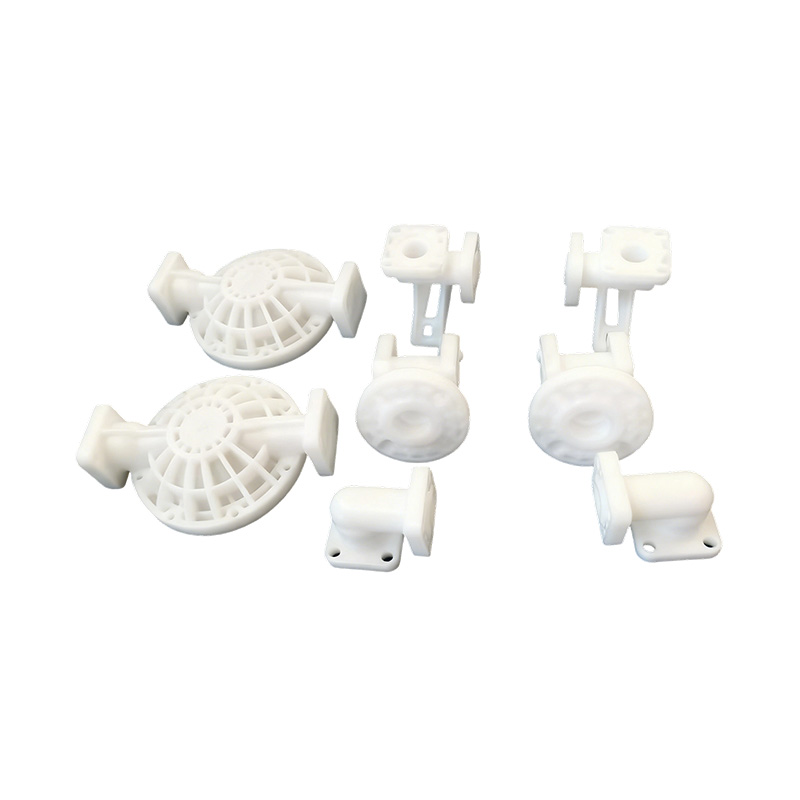
Plastic diaphragm pumps are constructed mainly from chemically resistant plastics such as polypropylene (PP) or PVDF. These materials give them outstanding corrosion resistance, making them ideal for handling aggressive chemicals like strong acids, alkalis, and solvents.
They often operate oil-free, are self-priming, and can tolerate dry running. Because they avoid metal wetted parts, the risk of metallic ion contamination is minimal—an important advantage in sensitive applications such as pharmaceuticals or food processing. Plus, the plastic construction makes them lightweight and easy to handle.

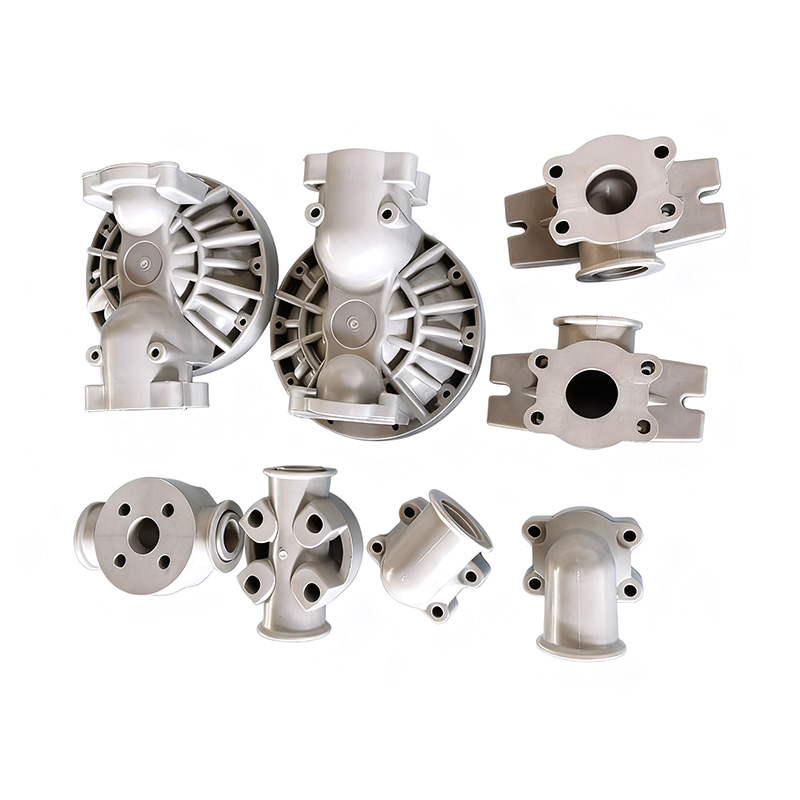

Zhejiang Xiafeng Precision Die Casting Co., Ltd.
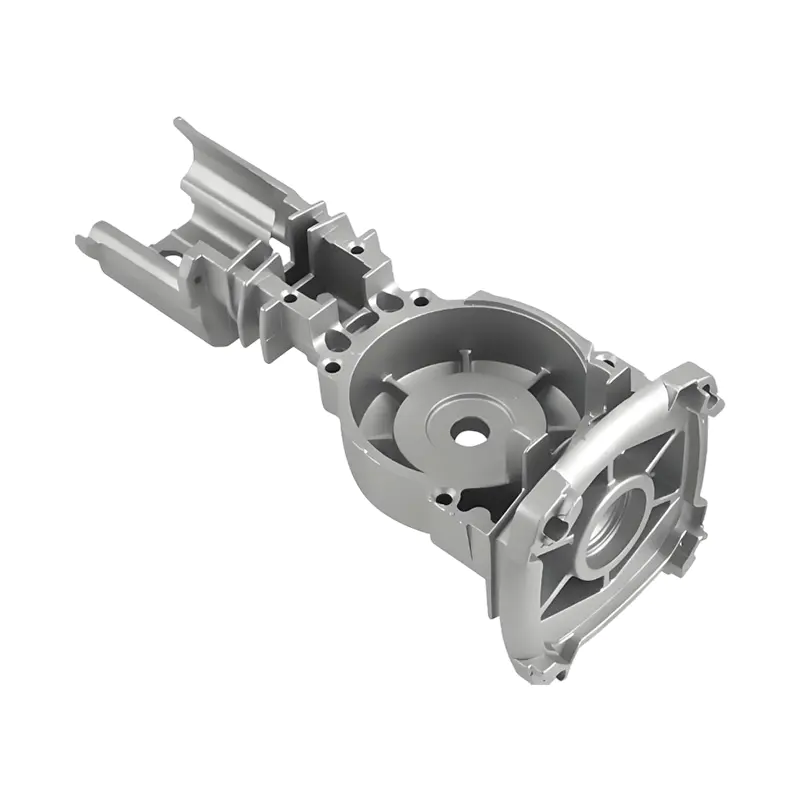
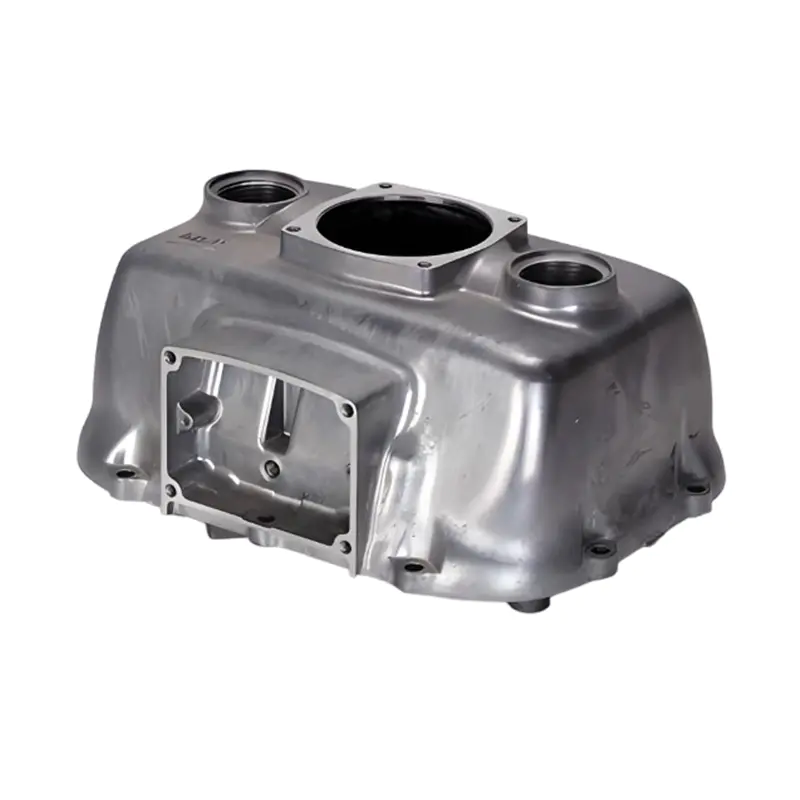
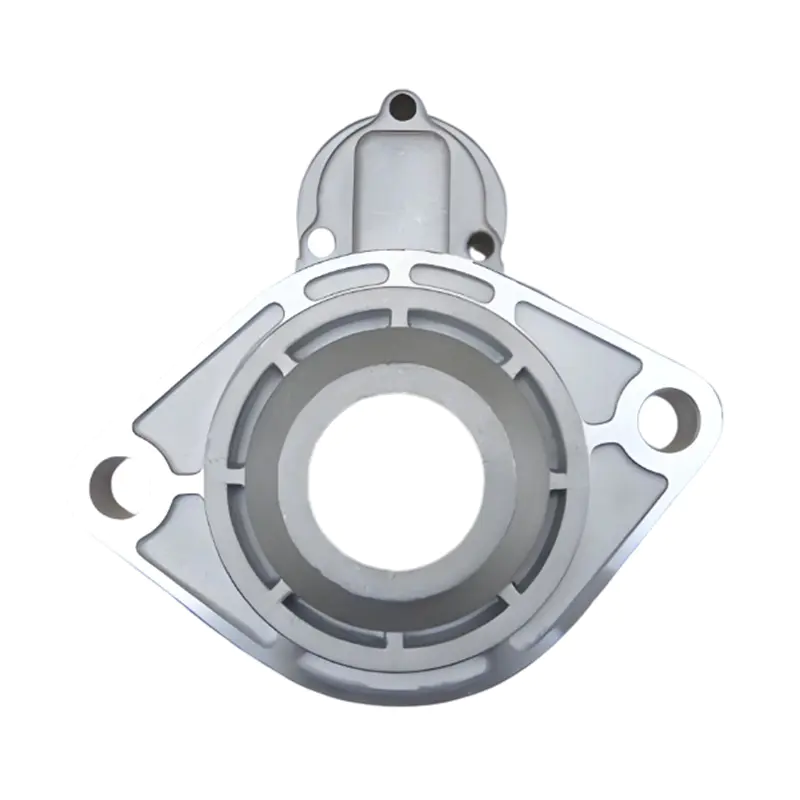
Zhejiang Xiafeng Precision Die Casting Co., Ltd. is a professional manufacturing enterprise specializing in precision die casting, mold manufacturing, and integrated R&D and design. Our product portfolio includes pneumatic pistons, motor housings, diaphragm pump accessories, reducer components, amusement equipment parts, automotive components, and metal crafts. Located in Wenxi, Qingtian, Lishui, Zhejiang, an area renowned as the "Hometown of Overseas Chinese", the company enjoys a prime geographical location and excellent transport links.
Established in 2015, the company occupies an area of over 20,000 square meters and employs more than 50 staff, including over 20 designers and R&D personnel. As a China Plastic Diaphragm Pumps suppliers and Wholesale Plastic Diaphragm Pumps factory, we offer end-to-end services ranging from mold design and production to product manufacturing, processing, and surface treatment, supported by rigorous quality management and optimized production processes. The facility features a well-planned layout, comprising die casting workshops, precision machining workshops, drilling workshops, shot blasting workshops, pressure testing workshops, grinding workshops, and automated production lines for welding and precision forging. With a monthly production capacity of 500 tons, we manufacture products ranging from 10 grams to 20 kilograms in weight.
Equipped with stringent production processes, a variety of intelligent manufacturing equipment, fully equipped standard workshops, and industry-leading testing laboratories, the company ensures the stability and durability of every product. To date, we have obtained over 20 product patents and copyright certificates, along with honors including "Trustworthy Operator," "AAA-Level Enterprise Credit," "Enterprise Recognized for ‘6S’ Management Improvement," "High-Tech Enterprise," "Leading Drafter of Group Standards," "Factory Digital Transformation Application," and "Zhejiang Provincial 'Specialized, Refined, Distinctive, and Innovative' Enterprise."
Amidst the industry’s rapid development, Xiafeng remains committed to the craftsman spirit. We have established strong cooperative partnerships with companies such as Kaiqi Group, Yucai Holding Group, Aike Mgke, and Zhejiang Zhanbo Diaphragm Pump, with our sales network covering the entire country. We are dedicated to providing high-quality after-sales services, including technical guidance and guaranteed supply of spare parts for all our clients.
Related Products
News
-
Vehicle weight influences nearly every aspect of performance, from fuel consumption and handling balance to braking response and component wear. Automotive Aluminum Parts and the Gearbox Reducer G Ser...READ MORE
-
Automotive Aluminum Parts and the Gearbox Reducer G Series are increasingly integrated into modern vehicle platforms where thermal control, structural weight, and drivetrain coordination all influence...READ MORE
-
Reducing equipment weight has become a practical concern in many industrial fluid handling and material transfer systems. This trend is visible not only in pump selection but also in the associated fl...READ MORE
-
Designing particulate pipeline systems often involves balancing material behavior, equipment compatibility, and operational control. When Aluminum Alloy Diaphragm Pump Casting components are part of m...READ MORE
Message Feedback
Plastic Diaphragm Pumps Industry knowledge
How Do Plastic Diaphragm Pumps Handle Aggressive Media?
Plastic Diaphragm Pumps are designed with pump bodies and wetted components made from engineered plastics such as polypropylene, PVDF, or polyethylene. These materials offer resistance to a wide range of corrosive fluids, making them suitable for chemical transfer, surface treatment lines, and wastewater processing.
From a structural perspective, the diaphragm separates the fluid from the drive mechanism, preventing direct contact between moving mechanical parts and the medium. This reduces contamination risk and limits wear caused by abrasive or reactive substances. The pump’s internal valve design also allows it to handle fluids containing suspended solids, provided particle size remains within specified limits.
A common user question involves durability. Plastic housings are lighter than metal alternatives, but this does not imply lower performance. Instead, they are optimized for chemical stability rather than high-pressure operation. Users should review pressure ratings and temperature limits carefully, especially when transferring heated or pressurized liquids. Proper material selection is essential, as not all plastics respond the same way to solvents or oxidizing agents.
What Makes an Air Driven Diaphragm Pump Practical?
An Air Driven Diaphragm Pump uses compressed air to alternately move diaphragms, creating suction and discharge cycles. This drive principle eliminates the need for electric motors, making the pump suitable for environments where electrical power is limited or where explosion risk must be reduced.
One practical advantage is operational flexibility. Flow rate can be adjusted simply by regulating air pressure or air volume. This allows the pump to adapt to changing process conditions without complex control systems. In addition, air-driven designs can tolerate short periods of dry running, which is useful when fluid supply is inconsistent.
However, air supply quality directly influences performance. Moisture or contaminants in compressed air may affect internal air valves, causing irregular cycling. Installing air filters and regulators helps maintain consistent operation. Users should also consider energy consumption; compressed air systems involve indirect energy costs that should be evaluated at the system level.
Air Driven Diaphragm Pump configurations are widely used in chemical unloading, drum transfer, and intermittent dosing tasks, where safety and adaptability are prioritized over continuous high-flow operation.
When Is an Industrial Plastic Diaphragm Pump Needed?
An Industrial Plastic Diaphragm Pump represents a more robust configuration intended for continuous or demanding industrial use. While still based on plastic construction, these pumps are designed with reinforced housings, heavier-duty diaphragms, and higher-capacity air distribution systems.
In practical terms, this means improved consistency under extended operating cycles. Industrial applications often involve long runtimes, higher flow requirements, or frequent start-stop sequences. The internal components are selected to withstand repetitive stress while maintaining chemical compatibility.
Users often ask how these pumps differ from standard plastic models. The distinction lies in design margins and component quality rather than basic working principles. Industrial versions may offer larger port sizes, stronger fasteners, and enhanced sealing systems to accommodate higher throughput and reduce downtime.
Maintenance planning is also part of industrial suitability. Modular construction allows diaphragms and valve components to be replaced without removing the pump from the pipeline. This reduces service time and supports process continuity in production environments.
These three pump categories illustrate how material choice, drive method, and structural reinforcement shape diaphragm pump performance. Plastic Diaphragm Pumps focus on chemical resistance, Air Driven Diaphragm Pump designs emphasize operational safety and adaptability, and Industrial Plastic Diaphragm Pump configurations address sustained industrial workloads. By evaluating fluid properties, operating conditions, and maintenance expectations, users can align these technologies effectively with their specific application needs.
Copyright © Zhejiang Xiafeng Precision Die Casting Co., Ltd.
Plastic Diaphragm Pumps Suppliers
