 English
 русский
Industry News
Home / News / Industry News / Aluminum Alloy Diaphragm Pump Casting: Lightweight and Corrosion-Resistant

2026-06-12
Steel and iron have been the standard materials for pump castings for a long time. They are strong, reliable, and relatively cheap. But they are also heavy. A cast iron diaphragm pump can weigh a lot, which matters when the pump needs to be moved around or mounted on portable equipment. Aluminum alloy diaphragm pump casting offers a different set of trade-offs. Lighter weight, good corrosion resistance, and decent strength make it attractive for many applications.
Aluminum alloy diaphragm pump casting is not for every pumping job. It does not have the raw strength of steel. It can scratch and dent more easily. But where weight matters and the fluid is not highly abrasive or badly corrosive, aluminum gets the job done.
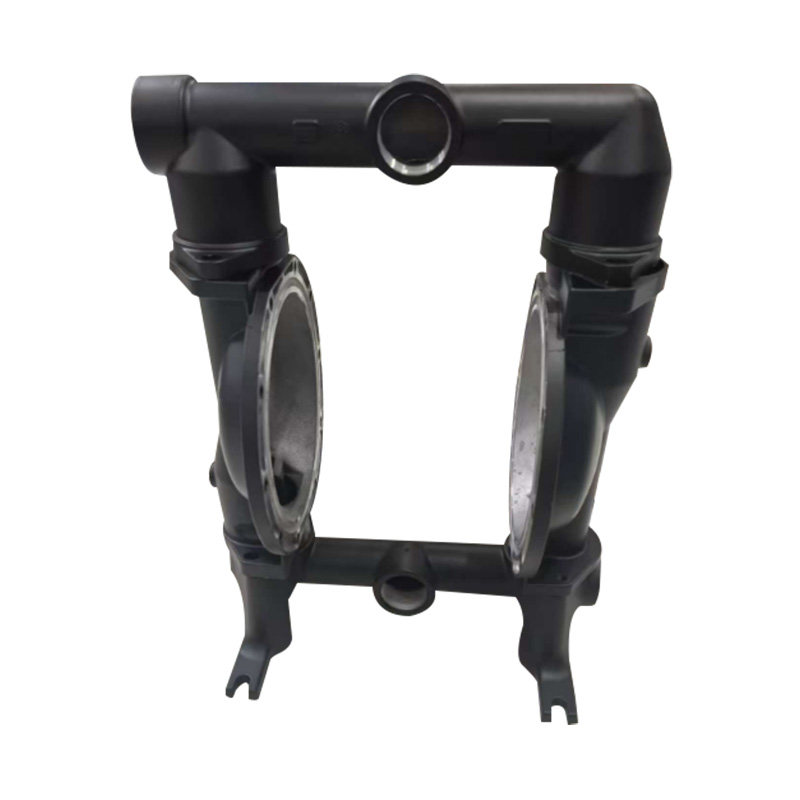
Not all aluminum is the same. A good aluminum alloy diaphragm pump casting starts with the right alloy. A356 is a common choice. It has good fluidity when molten, meaning it fills the mold completely before solidifying. It also responds well to heat treatment, which can increase strength significantly.
Other alloys used for aluminum alloy diaphragm pump casting include:
The alloy choice affects how the casting performs. A pump moving mildly acidic water needs better corrosion resistance than one moving clean coolant. A pump mounted on a vehicle needs higher strength to handle vibration and shock loads. The foundry works with the pump designer to match the alloy to the job.
The main reason to specify aluminum alloy diaphragm pump casting is weight. Aluminum weighs about one-third as much as steel or iron. A pump that would weigh 30 kilograms in cast iron might weigh 10 kilograms in aluminum. That difference matters.
Field crews appreciate lighter pumps. A pump that gets carried up ladders, loaded into trucks, or moved around a job site becomes easier to handle. Portable pump systems become truly portable. Even stationary pumps benefit — lighter weight means lighter mounting structures and easier installation.
The weight advantage of aluminum alloy diaphragm pump casting also reduces shipping costs. More pumps fit on a pallet before hitting weight limits. Freight bills go down. For pump manufacturers selling to national or international markets, these savings add up over thousands of units.
Aluminum naturally forms an oxide layer that protects against corrosion. An aluminum alloy diaphragm pump casting takes advantage of this property. In many environments, aluminum holds up as well as or better than carbon steel.
Fresh water, mild chemicals, and many industrial fluids are fine for aluminum alloy diaphragm pump casting. The pump body will not rust. No painting or coating is needed for basic protection. Salt water is a different story. Standard aluminum alloys can pit and corrode in marine environments. Special alloys or protective coatings may be needed.
Some aluminum alloy diaphragm pump casting products receive additional surface treatments. Anodizing thickens the natural oxide layer for better protection. Powder coating adds a durable colored finish. PTFE impregnation seals pores and reduces friction. The foundry or a secondary finishing shop applies these treatments based on the customer's requirements.
Several casting methods work for aluminum alloy diaphragm pump casting. Sand casting is common for lower volumes and larger parts. A pattern is pressed into sand to create the mold. Molten aluminum is poured in. Sand casting allows for complex shapes and does not require expensive tooling.
Die casting is used for higher volumes. Molten aluminum is forced into a steel mold under pressure. Die casting produces aluminum alloy diaphragm pump casting with outstanding surface finish and consistent dimensions. The upfront tooling cost is higher, but per-part cost drops significantly at volume.
Permanent mold casting falls in between. A reusable steel mold is preheated. Molten aluminum is poured in by hand or by machine. This method produces better mechanical properties than sand casting but lower tooling cost than die casting.
Key quality checks for aluminum alloy diaphragm pump casting include:
Aluminum alloy diaphragm pump casting is not the right answer for every pump. Aluminum has lower strength than steel. High-pressure pumps may need thicker walls, which eats into the weight advantage. Highly abrasive fluids like slurries will wear through aluminum faster than hardened steel. Some chemicals, including strong acids and bases, attack aluminum aggressively.
Pump designers should also consider galvanic corrosion. If an aluminum alloy diaphragm pump casting is bolted to steel pipes or mounted on a steel base, the aluminum can corrode where the two metals touch. Insulating gaskets or coatings prevent this problem.
From construction site dewatering to agricultural spraying, aluminum alloy diaphragm pump casting offers a useful combination of light weight and corrosion resistance. It does not replace steel for heavy-duty applications, but for pumps that need to move or resist rust, aluminum is worth considering. Pump manufacturers who understand the trade-offs can choose the right material for each product line.
Copyright © Zhejiang Xiafeng Precision Die Casting Co., Ltd.
China Air Operated Double Diaphragm Pump
