 English
 русский
Industry News

Diaphragm Pump Castings: The Metal Core of Reliable Pumping
2026-06-05
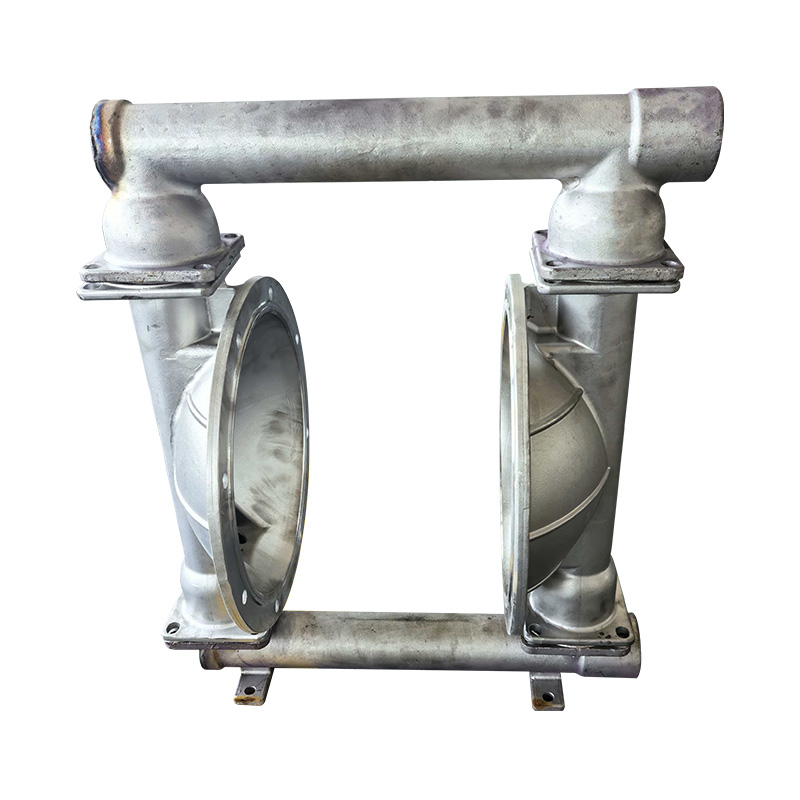
A diaphragm pump moves fluid using a flexible membrane that pulses back and forth. But the membrane needs a housing. It needs inlet and outlet ports. It needs chambers where valves open and close. That is where diaphragm pump castings come in. These cast metal components form the structural backbone of the pump. They hold everything together and withstand the pressure, corrosion, and wear that come with pumping various fluids.
Diaphragm pump castings are typically made from materials chosen for the specific fluid being pumped. Cast iron works for water and mild chemicals. Stainless steel handles corrosive fluids and sanitary applications. Aluminum offers weight savings for portable pumps. Bronze resists saltwater corrosion in marine settings. The foundry that produces diaphragm pump castings must match the material to the application.
Common Components and Their Functions
A diaphragm pump contains several cast parts. The fluid housing — sometimes called the outer chamber — is the largest diaphragm pump casting. It contains the space where fluid enters, gets pushed by the diaphragm, and exits. The housing must be smooth inside to prevent flow restrictions and areas where debris could collect.
The manifold is another critical diaphragm pump casting. It directs fluid from the inlet to the pumping chamber and from the chamber to the outlet. Manifolds contain the valve seats where check valves open and close. The casting must hold tight tolerances so valves seal properly. A poorly cast manifold leaks fluid or loses prime.
Other diaphragm pump castings include:
- Valve covers that seal the valve chambers and allow access for maintenance
- Bearing housings that support the connecting rod and crankshaft
- Mounting brackets that attach the pump to a motor or base plate
- Flanges and fittings that connect the pump to piping systems
- Casting Methods for Pump Components
Different diaphragm pump castings call for different production methods. Sand casting works for large housings and manifolds. A pattern is pressed into sand to create a mold. Molten metal fills the cavity. Sand casting is economical for low to medium volumes and allows for larger part sizes.
Investment casting produces more precise diaphragm pump castings. A wax pattern gets coated in ceramic. The wax is melted out, leaving a ceramic mold. Molten metal fills the cavity. Investment casting costs more but delivers better surface finish and tighter tolerances. Small, complex parts like valve covers often use this method.
Die casting forces molten metal into a steel mold under pressure. This method produces diaphragm pump castings with outstanding dimensional consistency and fast cycle times. The upfront tooling cost is high, so die casting only makes sense for high-volume production.
Material Selection and Properties
Choosing the right material for diaphragm pump castings is not optional. Get it wrong and the pump fails early or contaminates the fluid being pumped.
For water and wastewater applications, diaphragm pump castings often use gray cast iron. It machines well, dampens vibration, and resists general corrosion. Ductile iron offers higher strength for high-pressure applications.
For food and pharmaceutical pumping, diaphragm pump castings require stainless steel, usually 316 grade. The casting must have smooth surfaces with no cracks or pits where bacteria could hide. Stainless castings also need passivation to remove surface iron that could cause rust.
For chemical processing, diaphragm pump castings might use hastelloy or titanium. These materials resist specific acids and solvents that would destroy standard stainless steel. They are expensive and difficult to cast, so only used when necessary.
Key properties that buyers look for in diaphragm pump castings:
- Pressure rating — must hold the pump's big operating pressure
- Corrosion resistance — matched to the fluid being pumped
- Machinability — affects cost of final finishing operations
- Porosity control — no leaks through the casting wall
Quality Issues in Pump Castings
Not every diaphragm pump casting is good. Porosity is a common defect. Tiny holes form inside the metal as it solidifies. If a pore reaches the surface, the casting will leak. Pressure testing identifies these defects before the casting goes into a pump.
Shrinkage cavities are another problem. As metal cools, it shrinks. Poor riser design creates voids inside thick sections. These voids weaken the casting and may cause cracking under pressure. X-ray inspection finds internal shrinkage.
Dimensional accuracy matters for diaphragm pump castings. A housing that is not round will not seal against the diaphragm. A manifold with misaligned valve seats will not pump efficiently. Foundries use coordinate measuring machines to check critical dimensions.
Why Castings Matter for Pump Performance
A diaphragm pump is only as good as its castings. Thin walls crack under pressure. Porous castings leak. Warped flanges make connections difficult. Poor material choices cause corrosion failures. The diaphragm pump castings determine whether the pump lasts for years or fails in months.
For pump manufacturers, choosing the right foundry matters. Consistent material, sound castings, and reliable delivery keep production lines running. A foundry that understands pump applications adds value beyond just pouring metal into molds.
CATEGORY
Message Feedback
Copyright © Zhejiang Xiafeng Precision Die Casting Co., Ltd.
China Air Operated Double Diaphragm Pump
